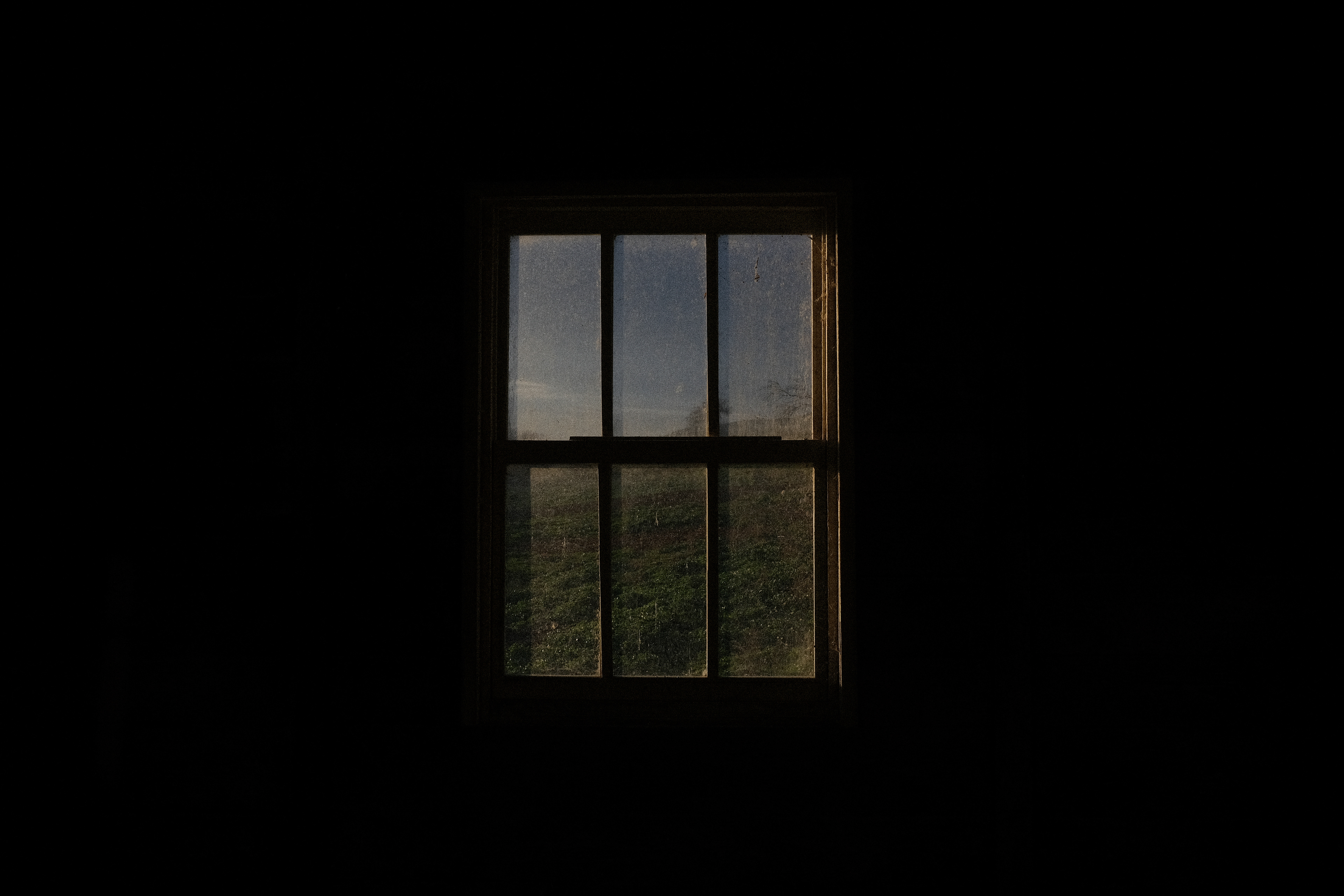
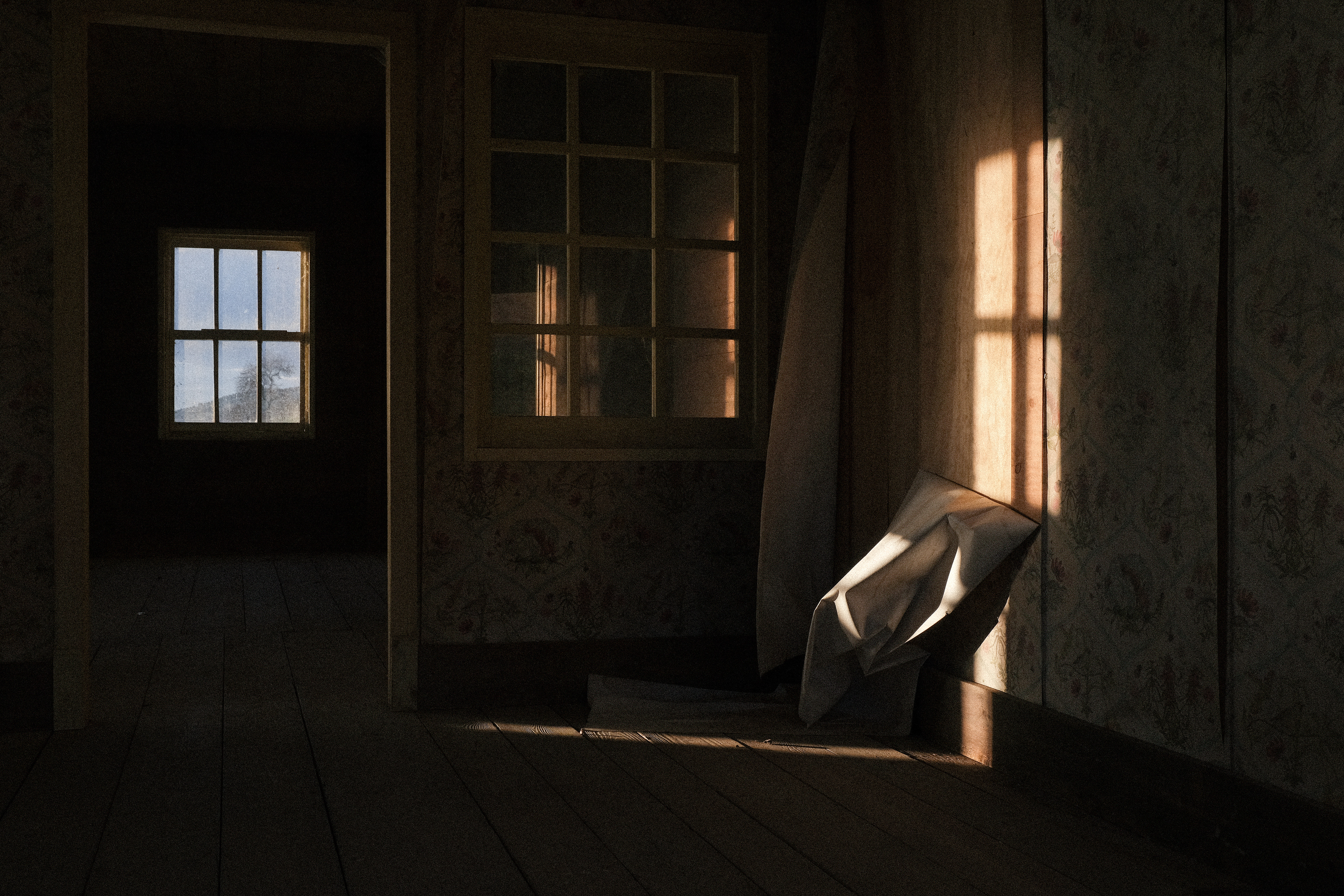
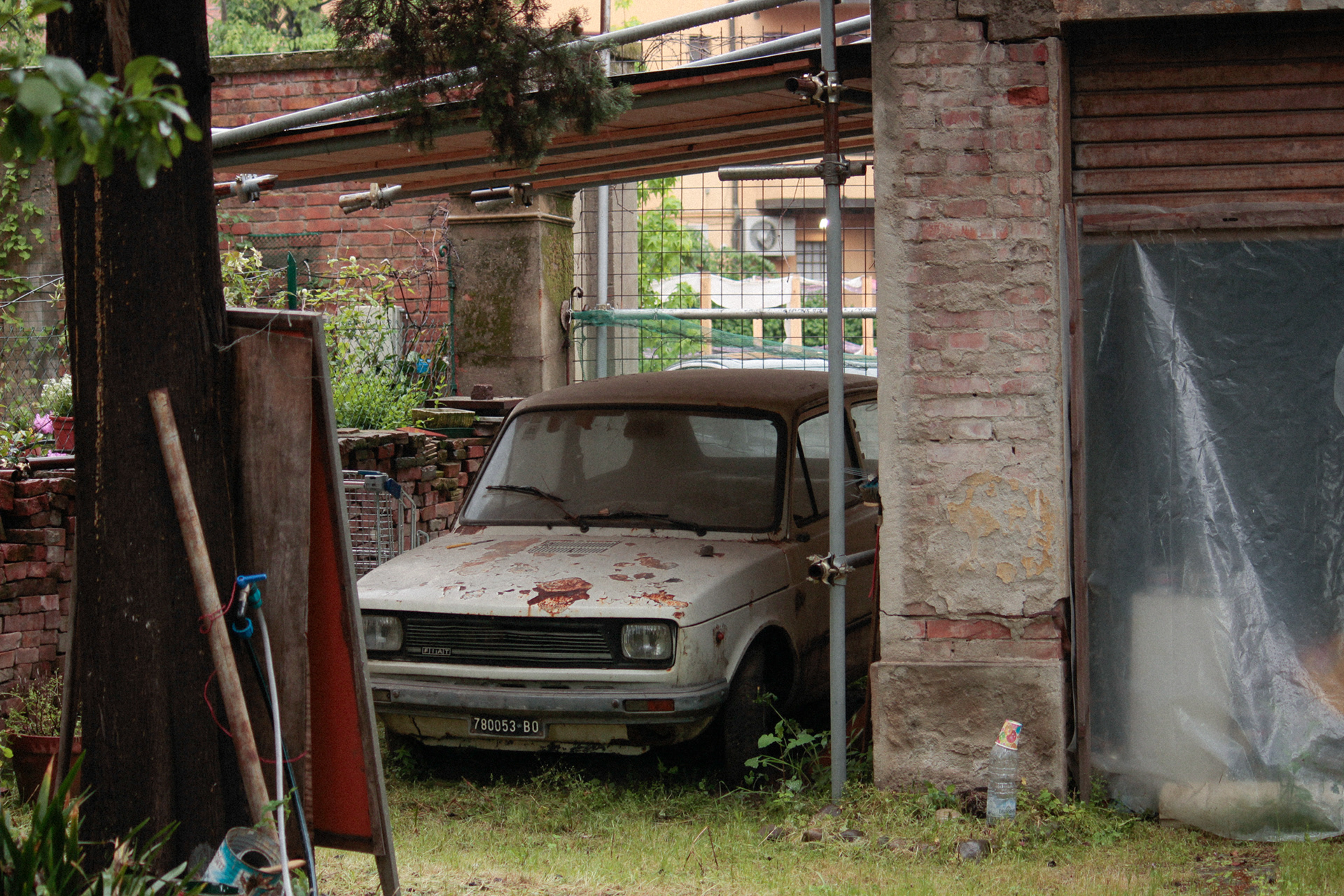
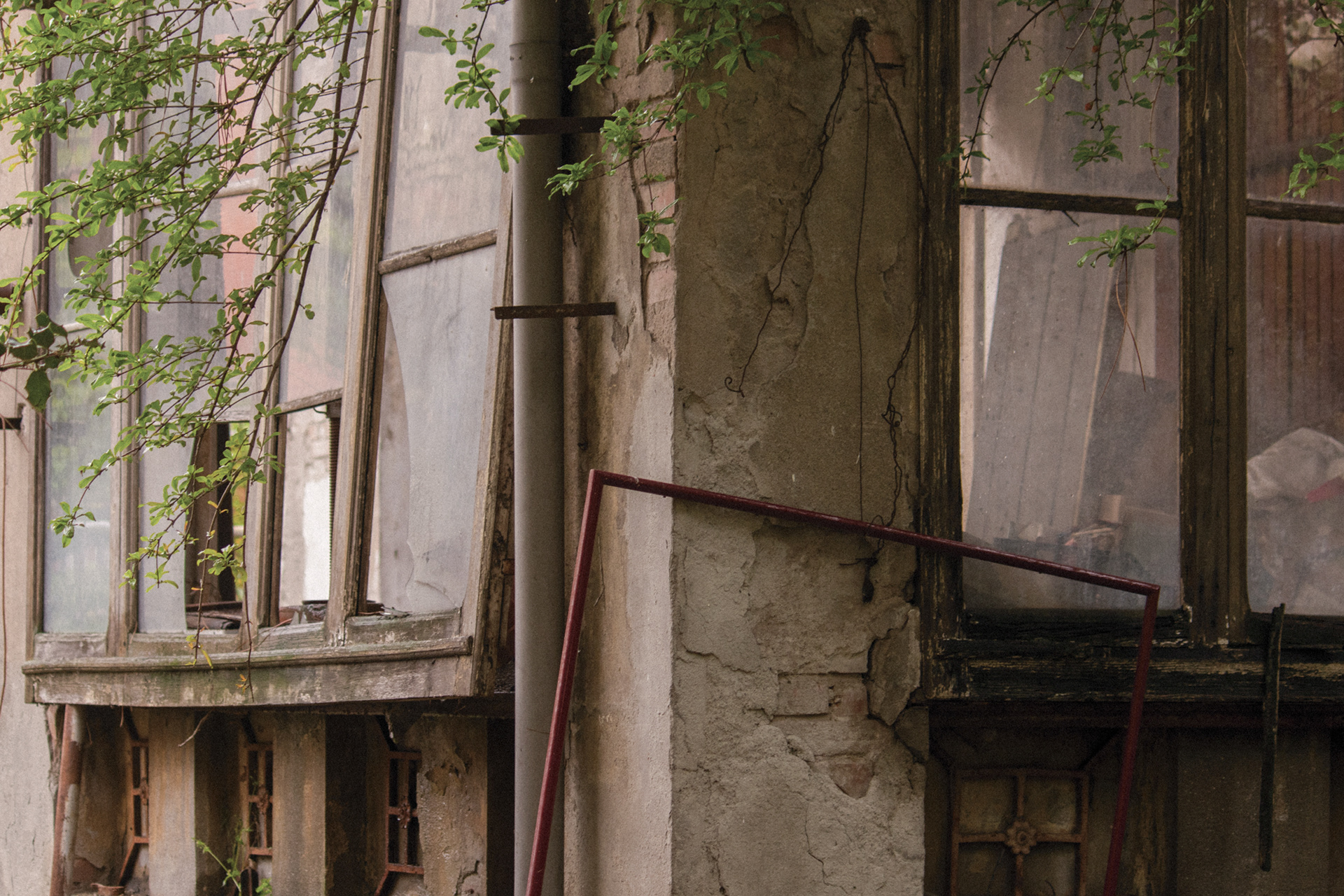
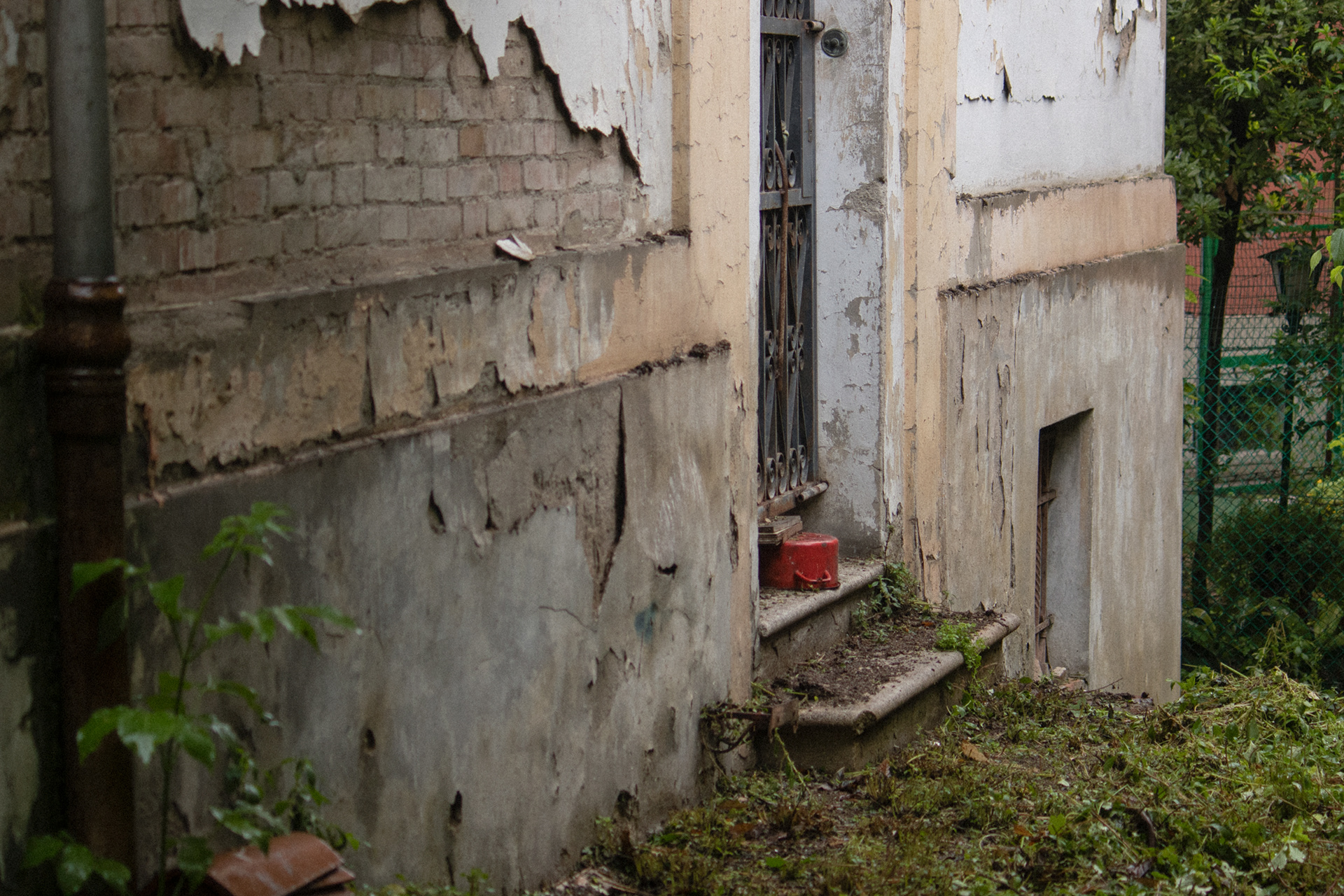
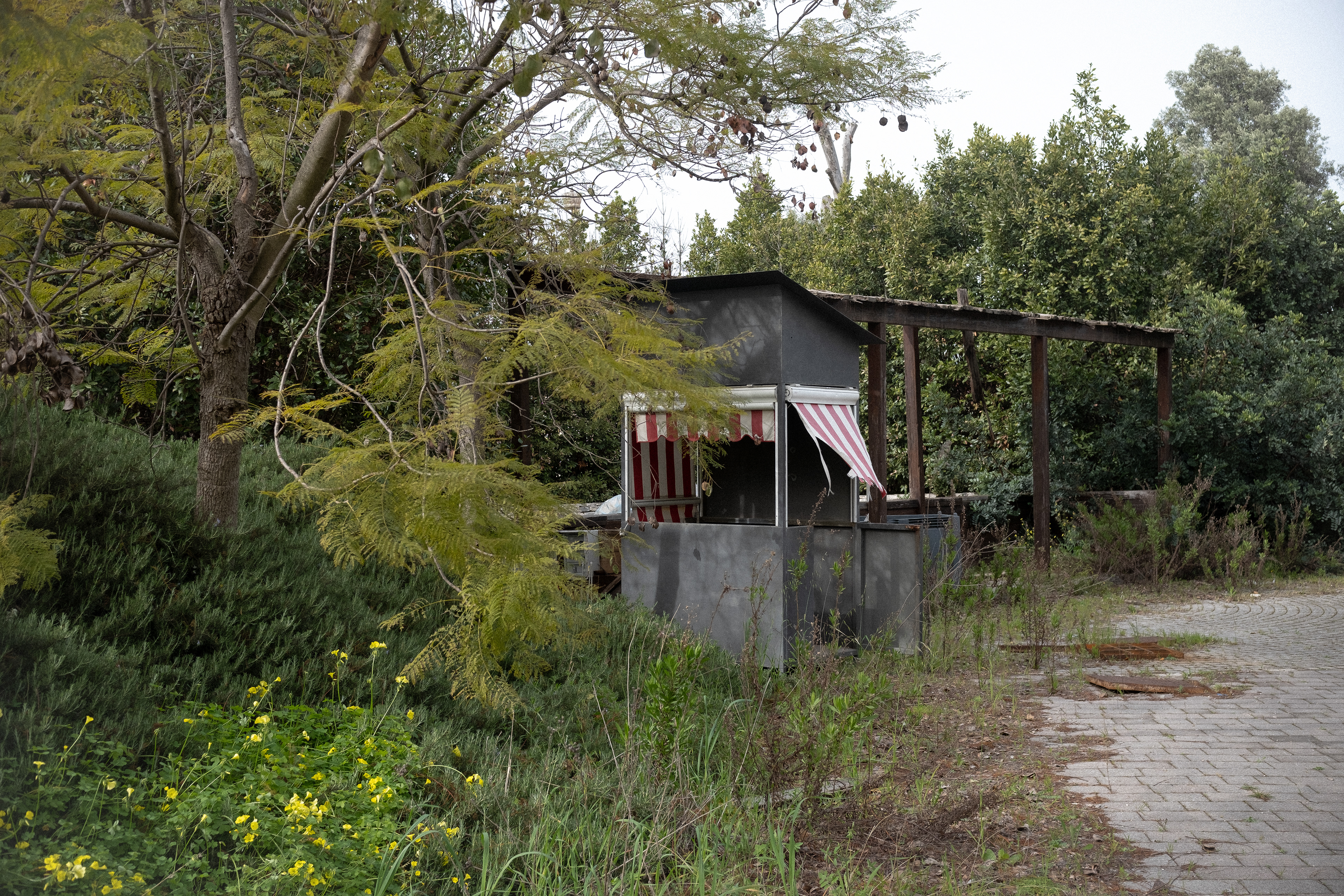
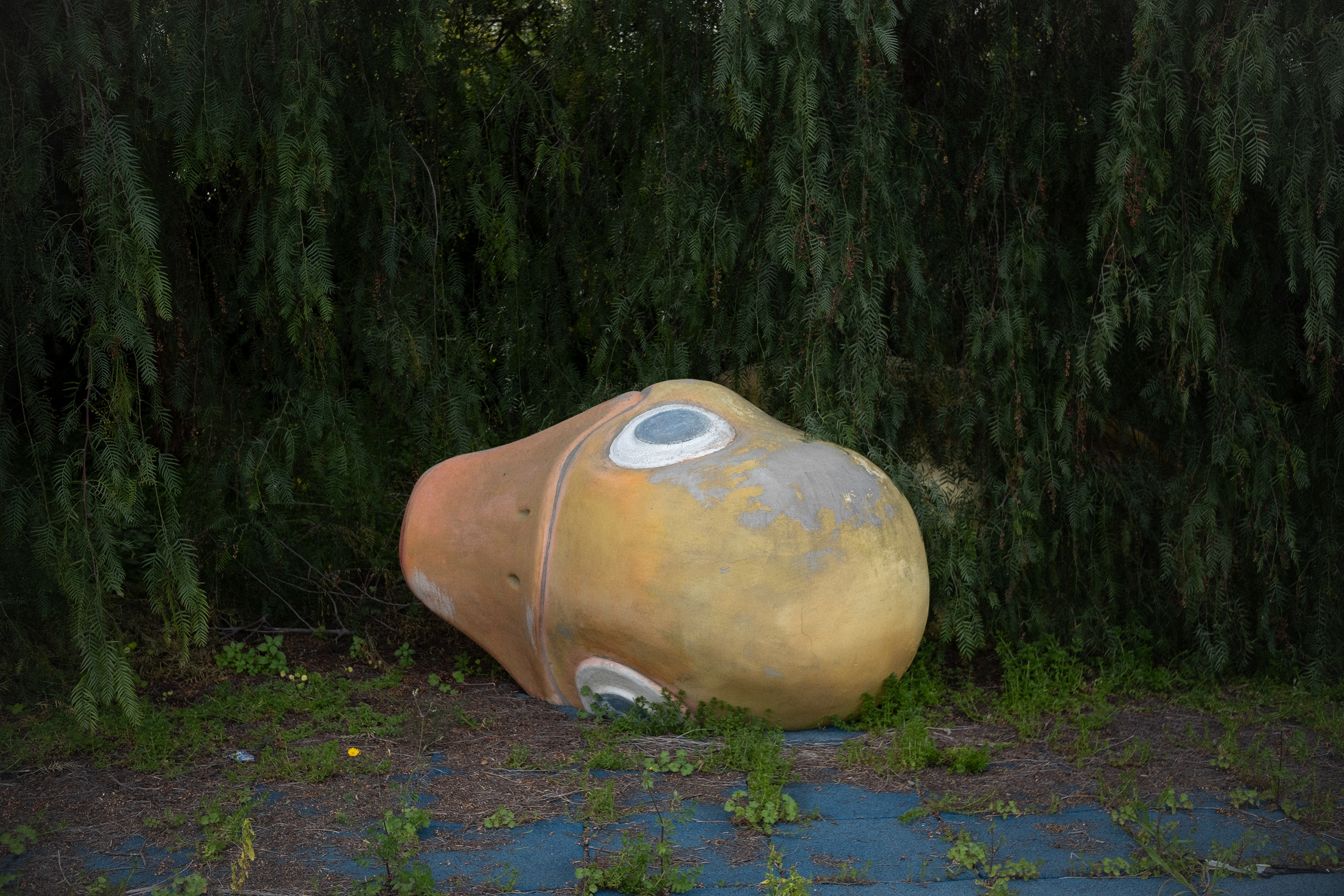
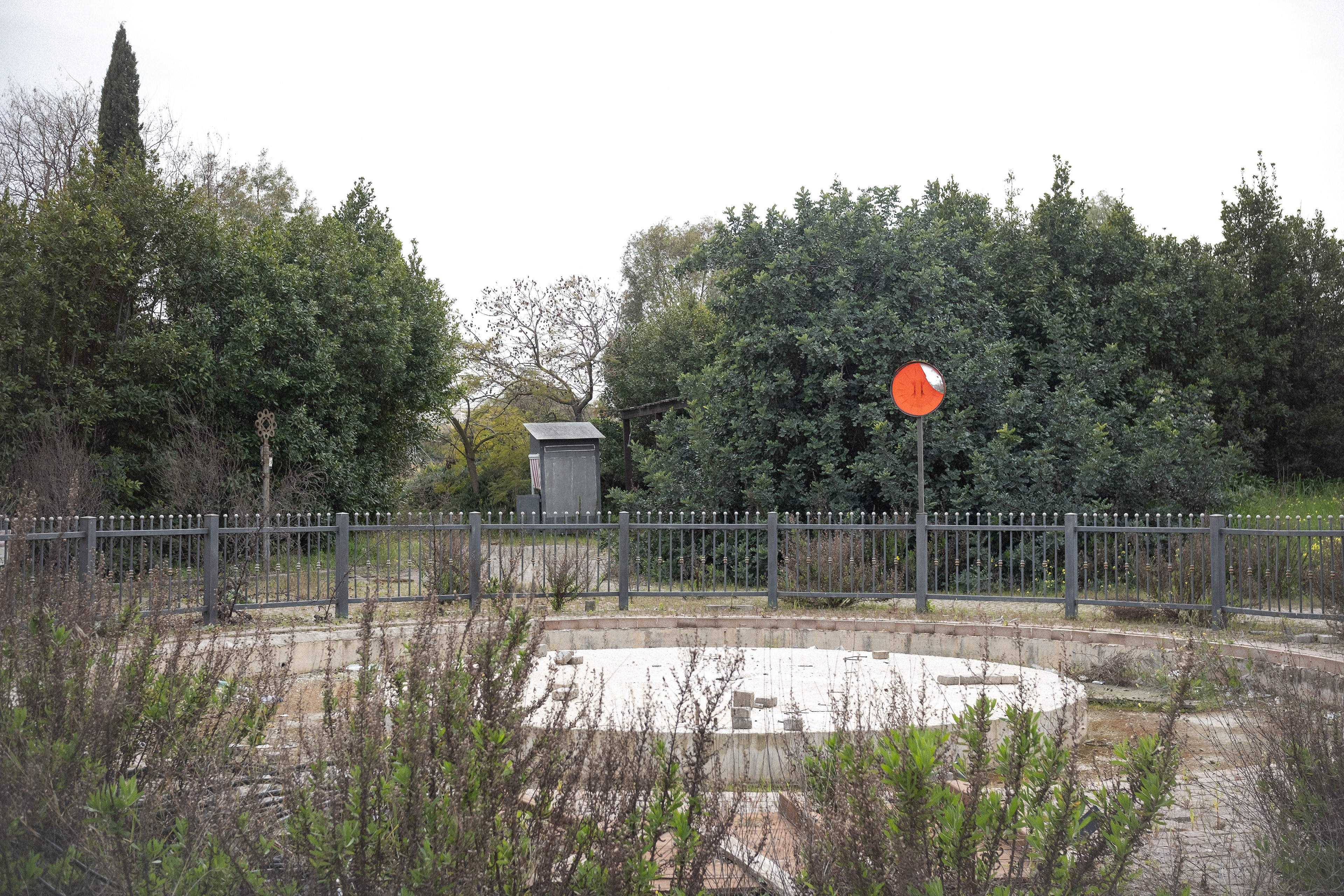
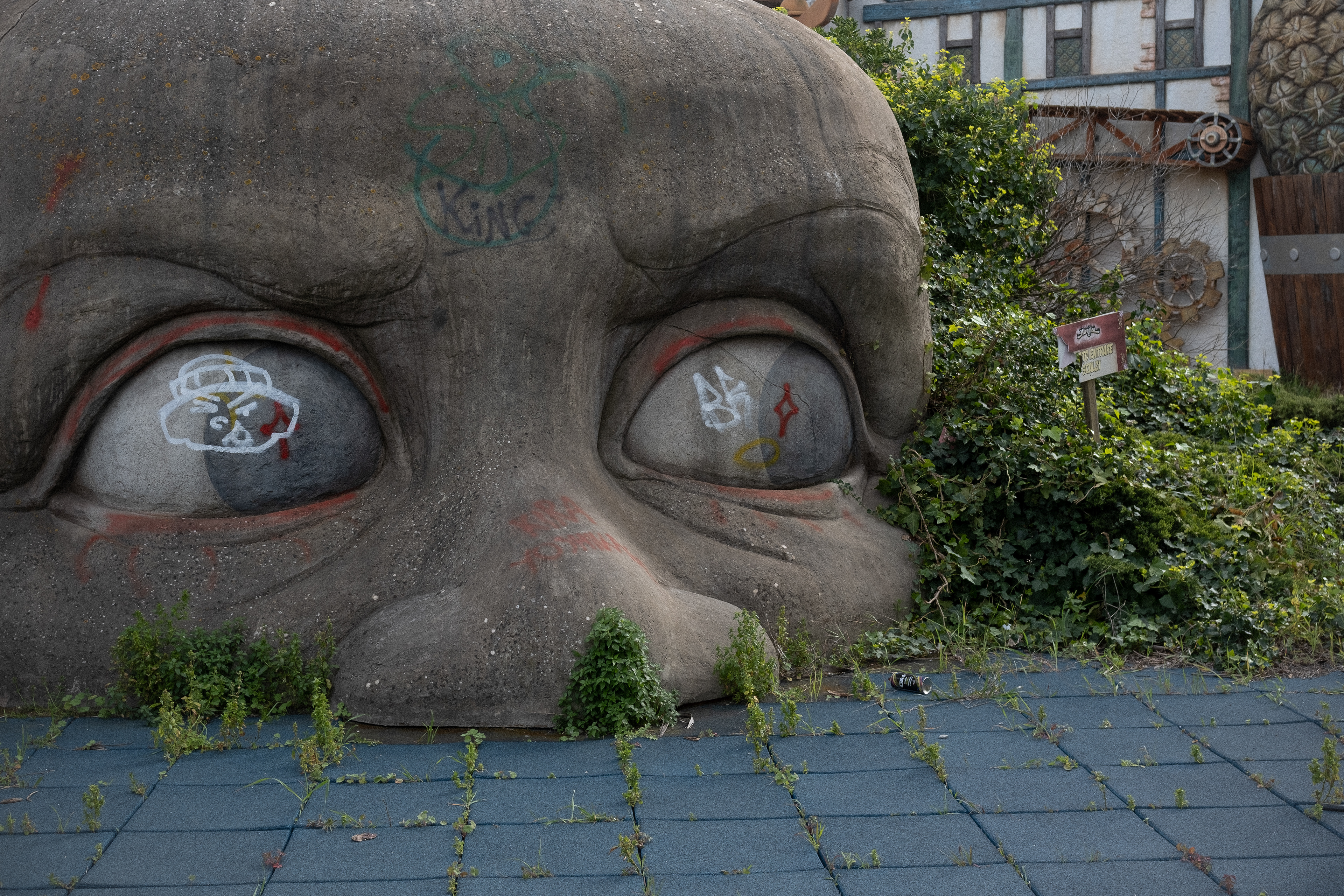
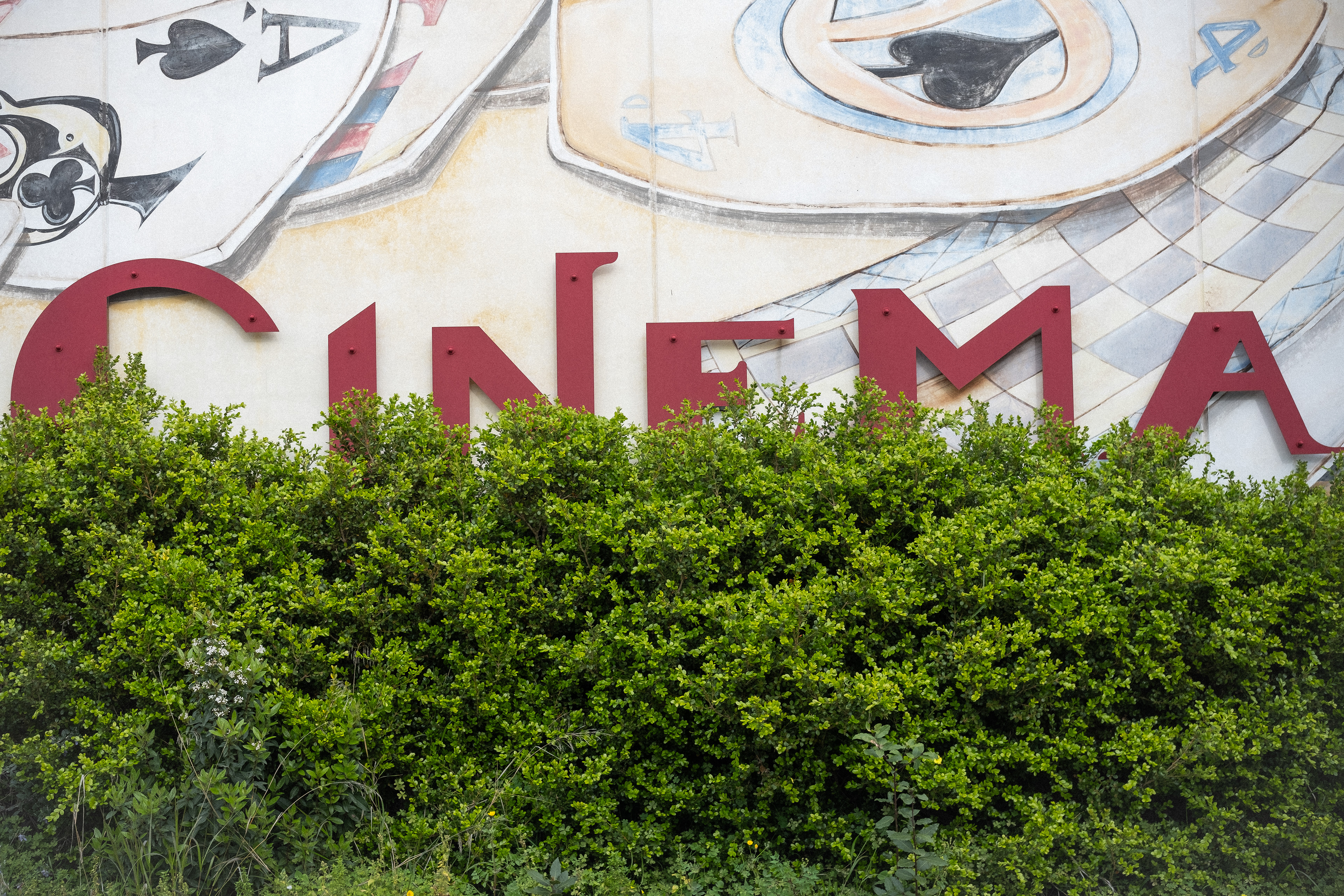
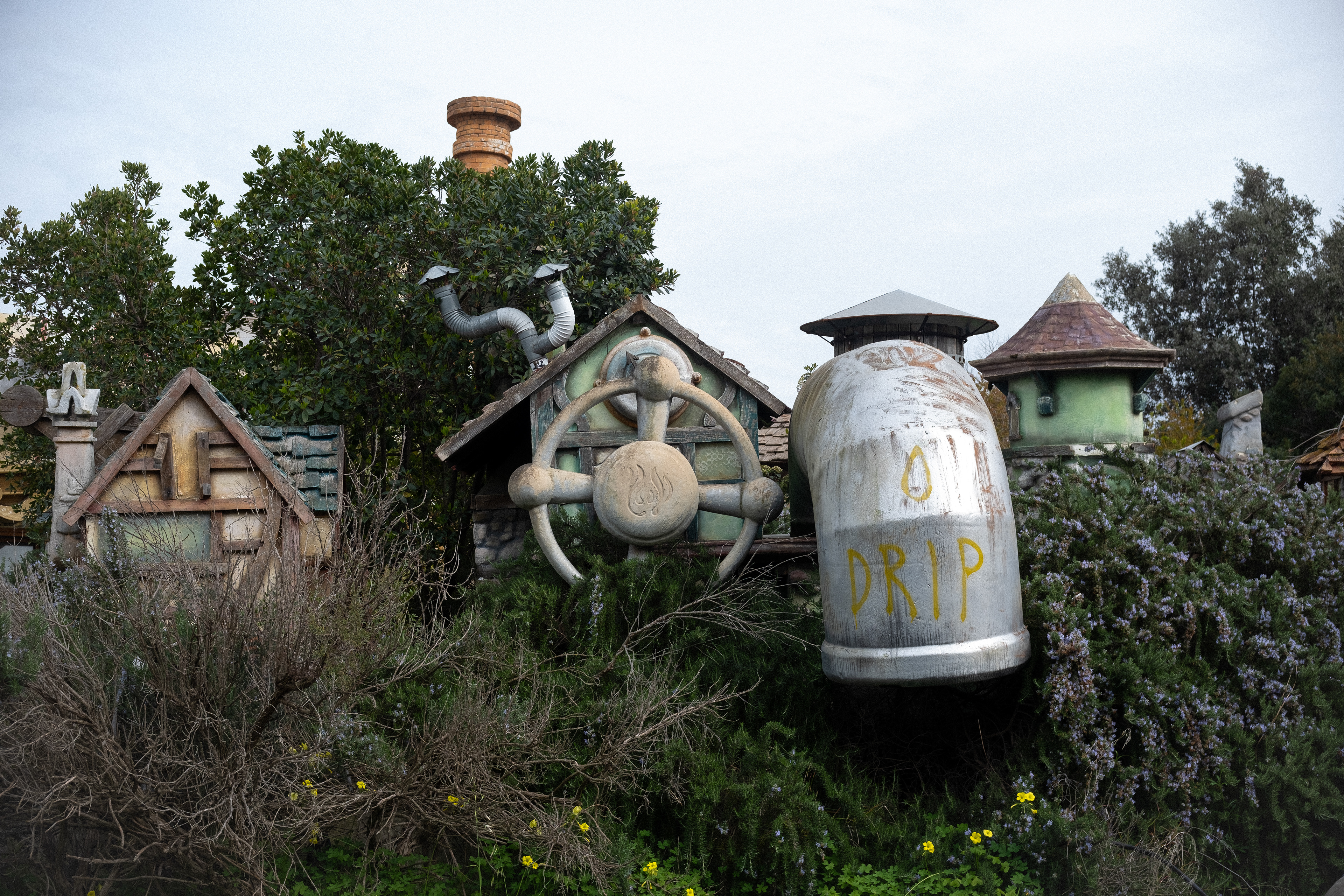
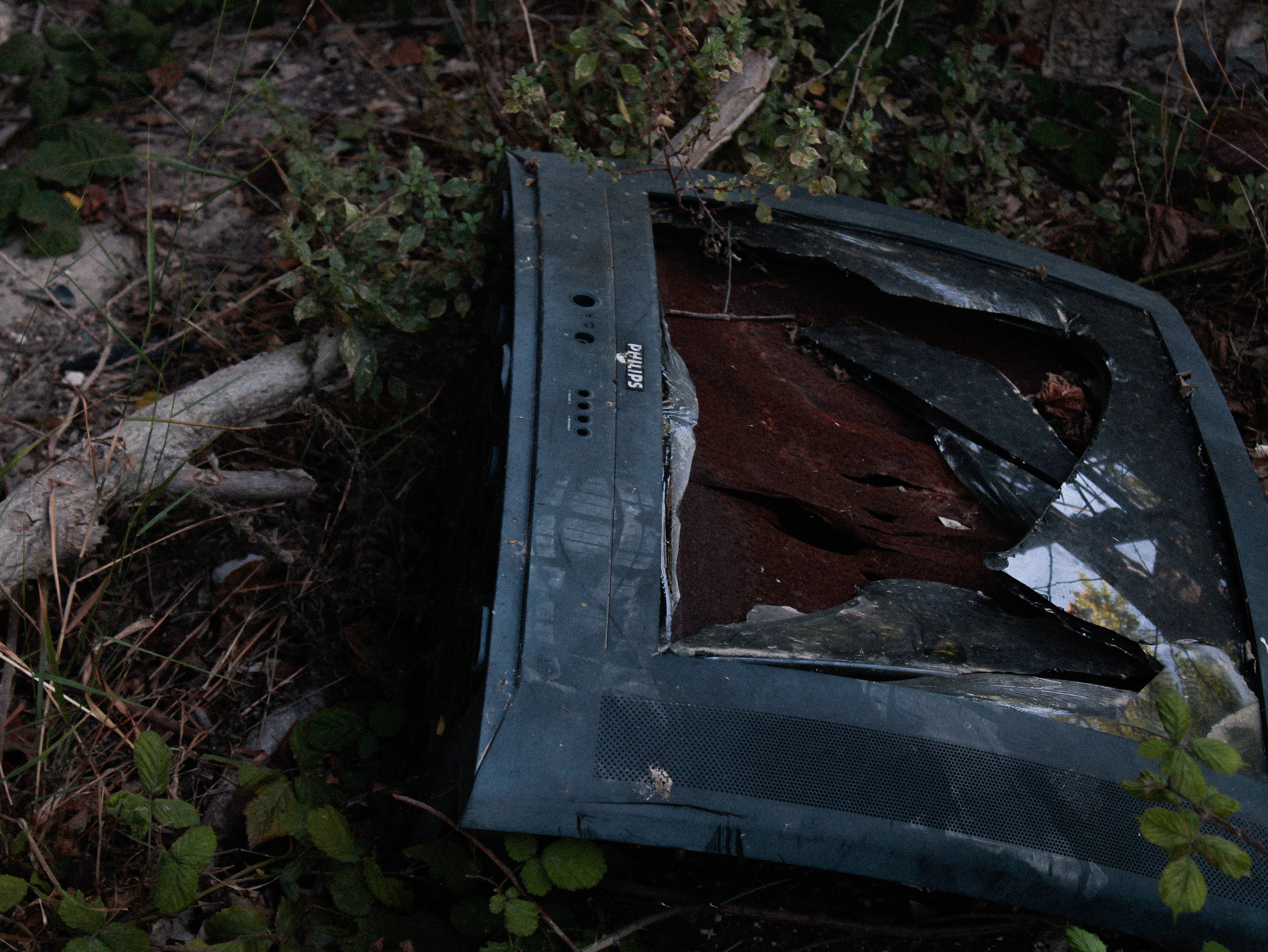
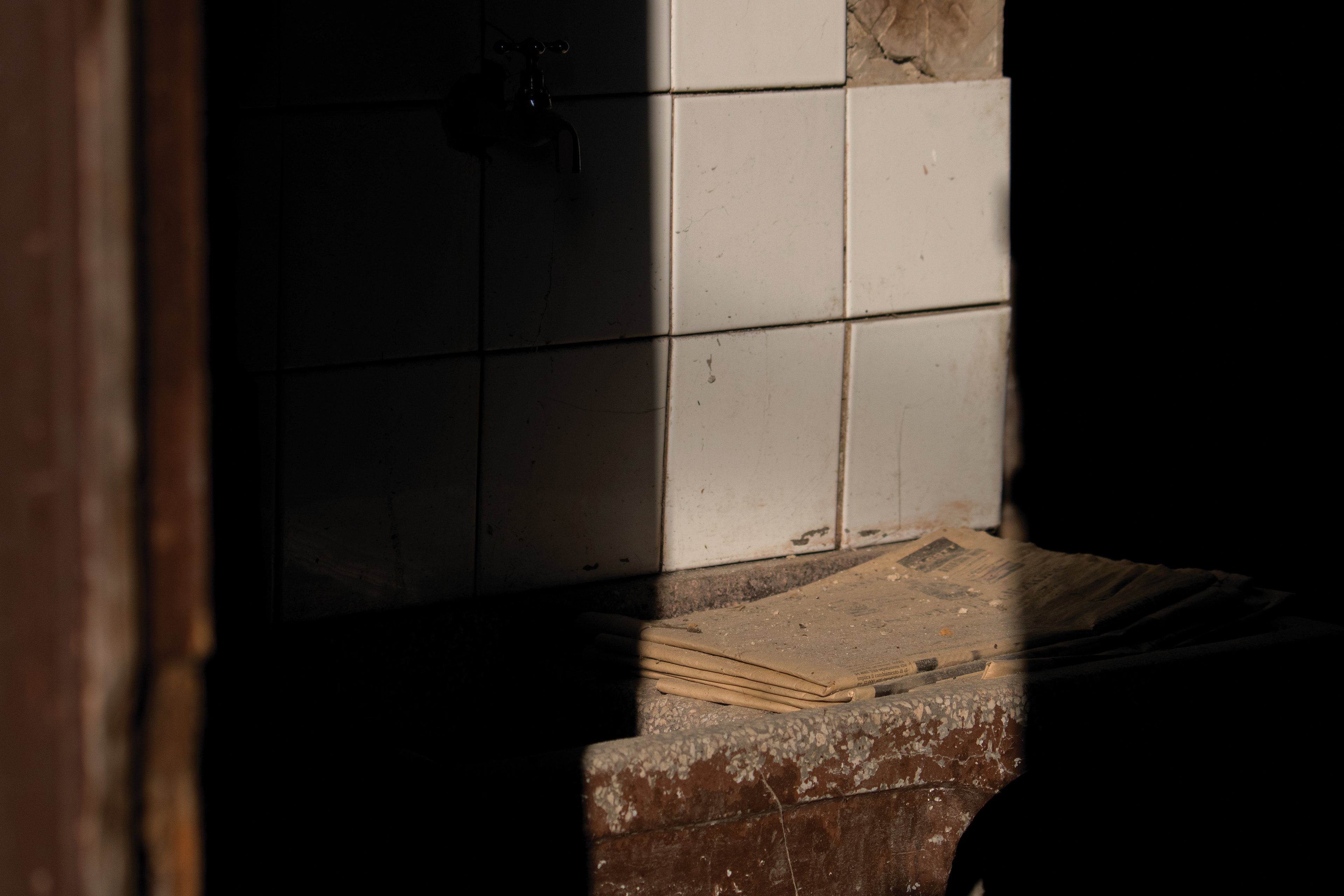
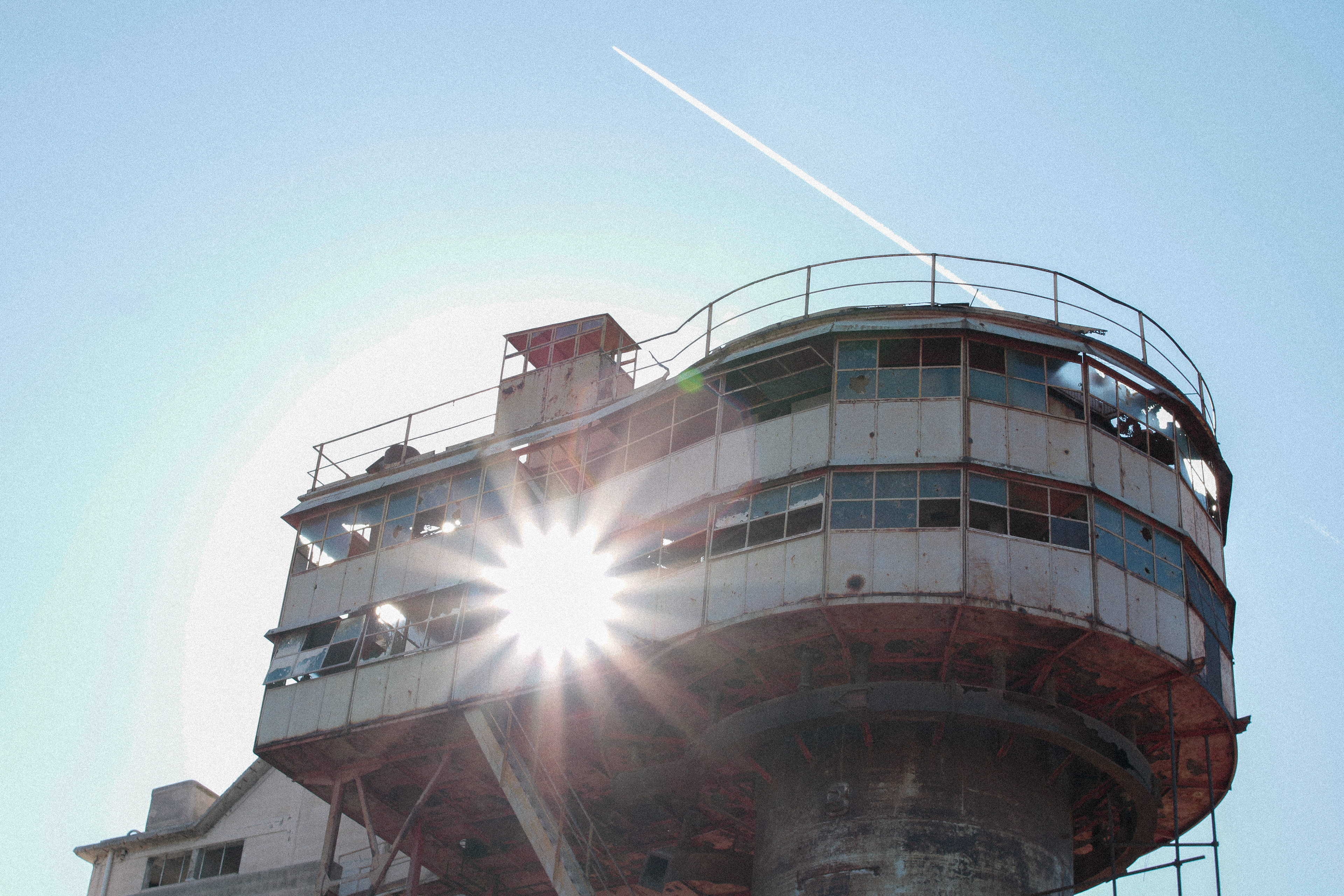
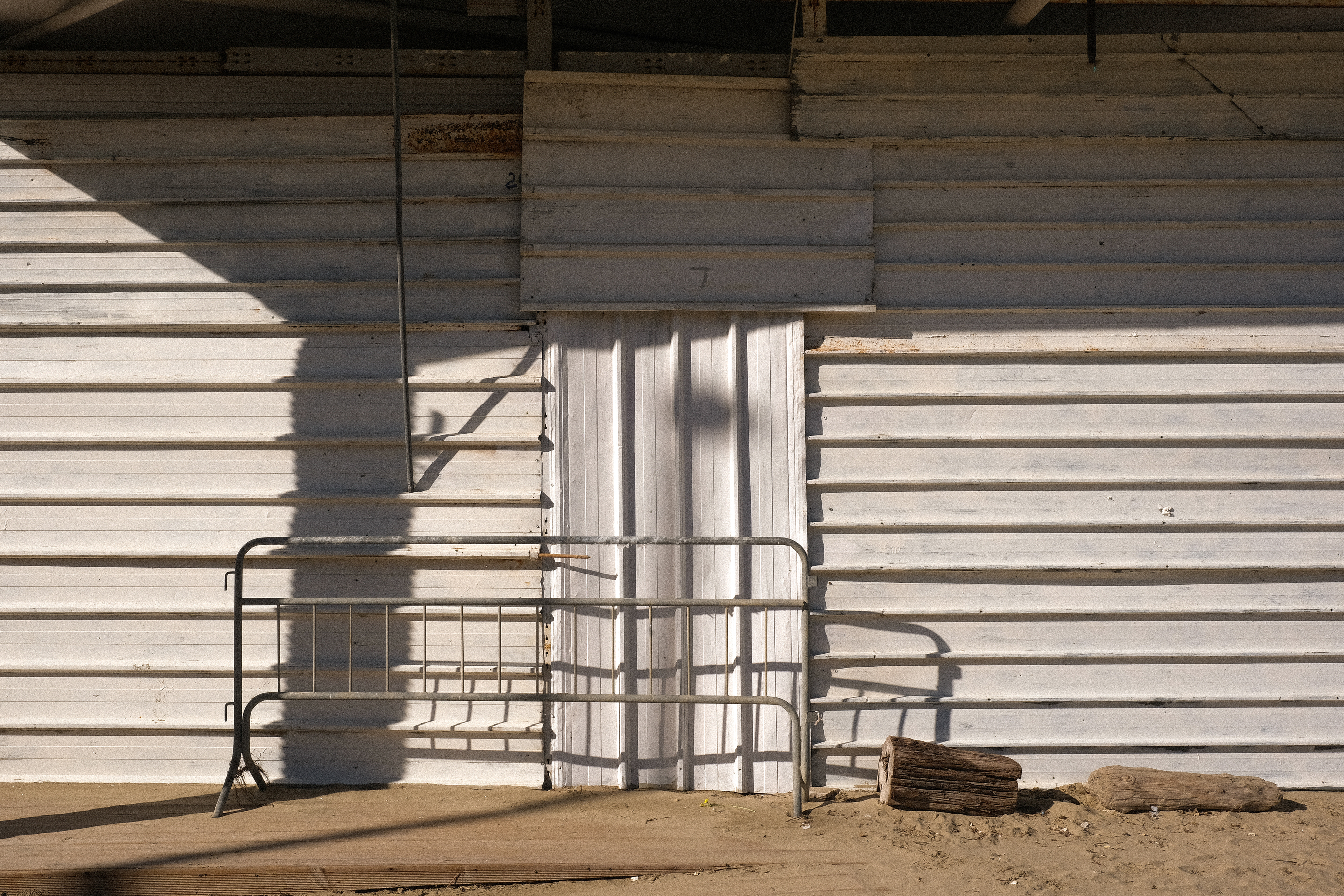
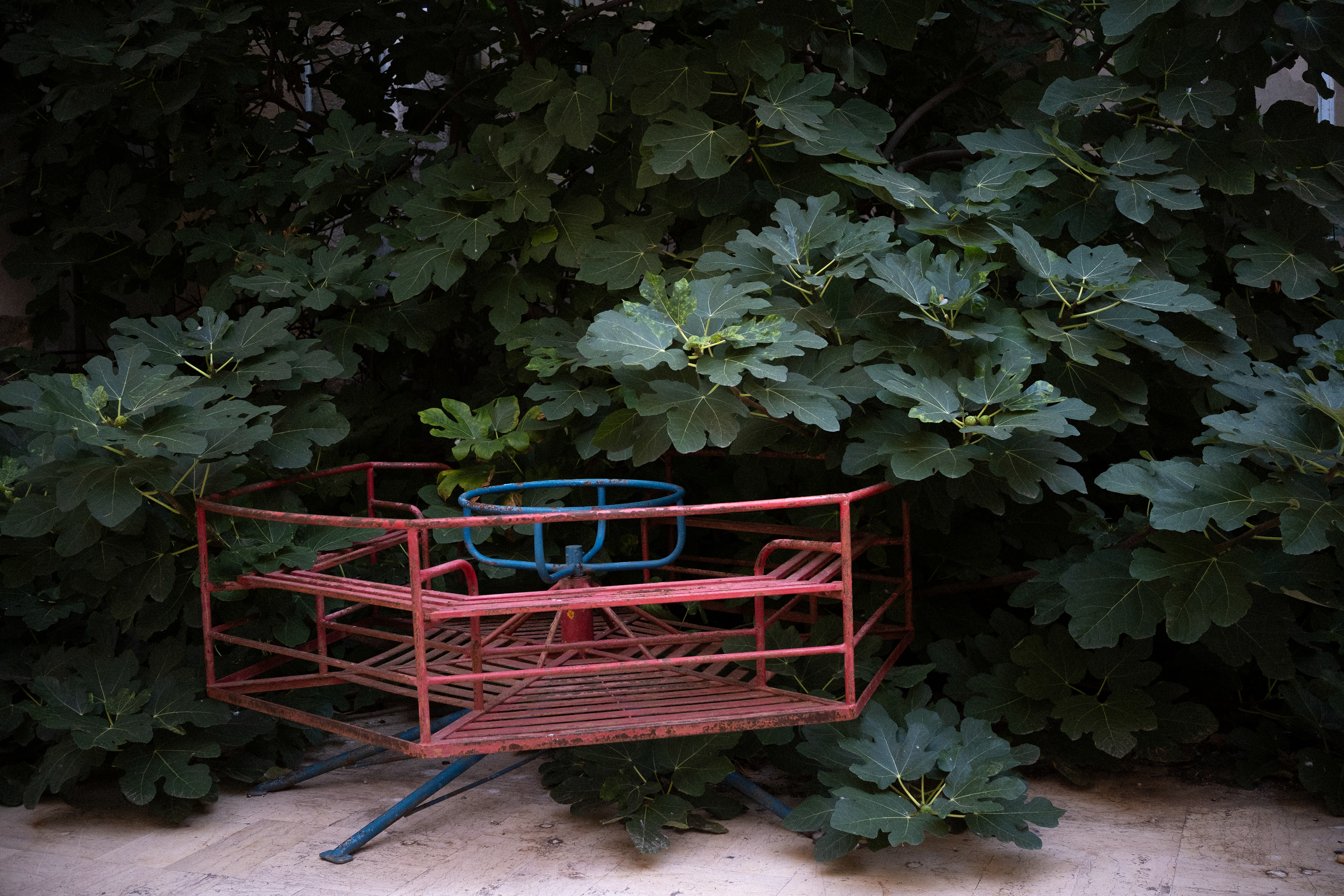
“Anemoia” descrive la nostalgia di un tempo mai vissuto. Da questa sensazione nasce l’idea di osservare luoghi abbandonati come testimonianze silenziose del passato.
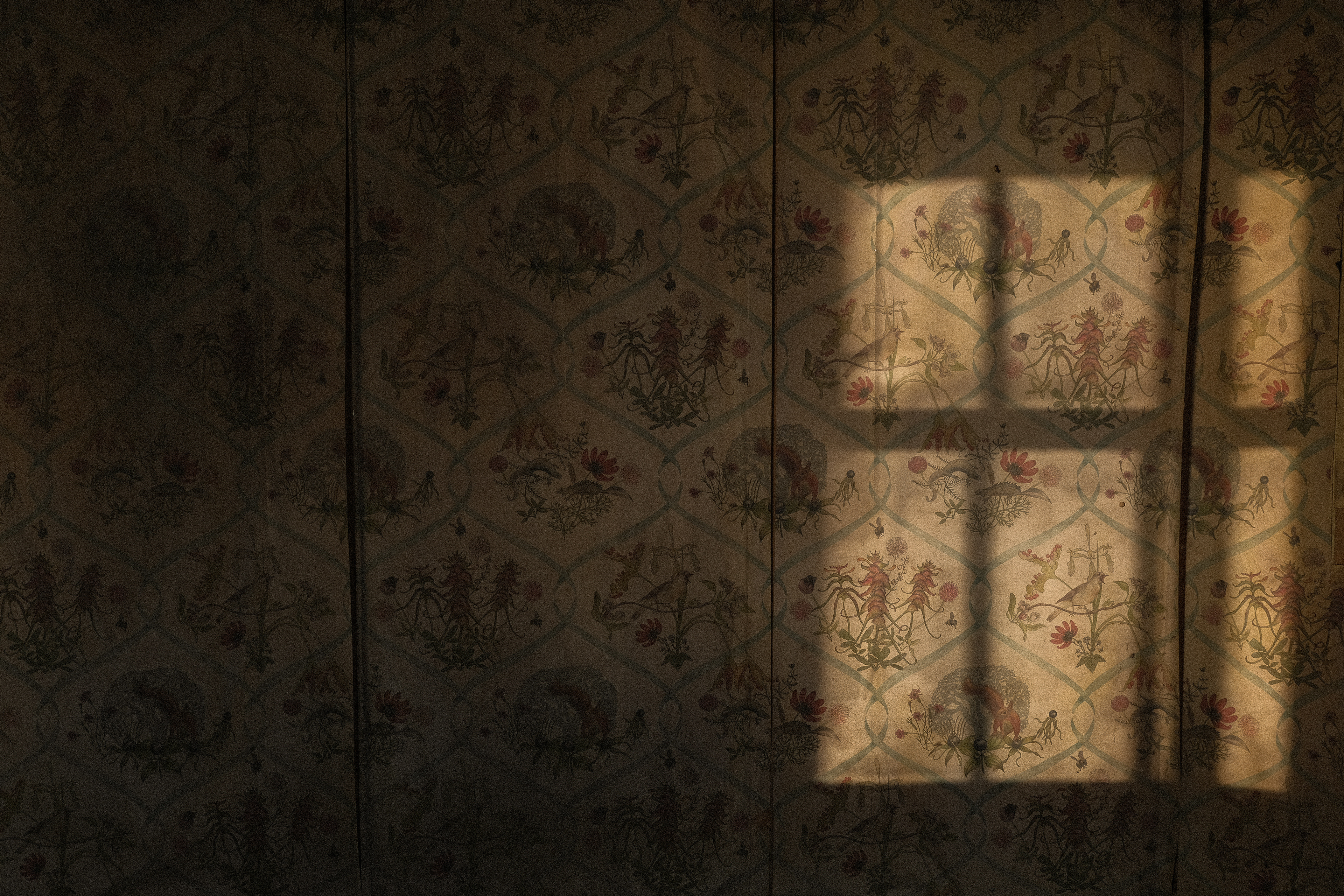
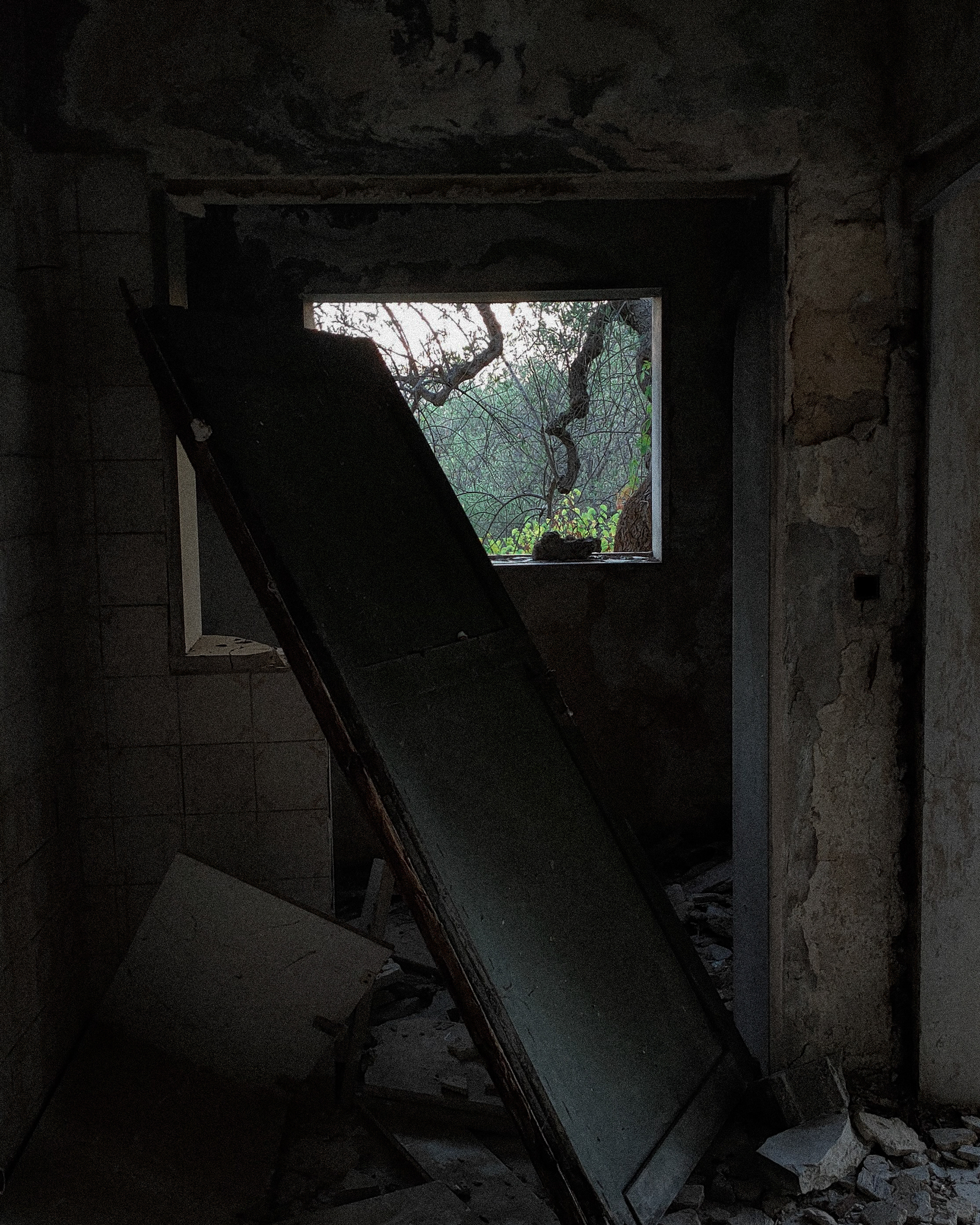
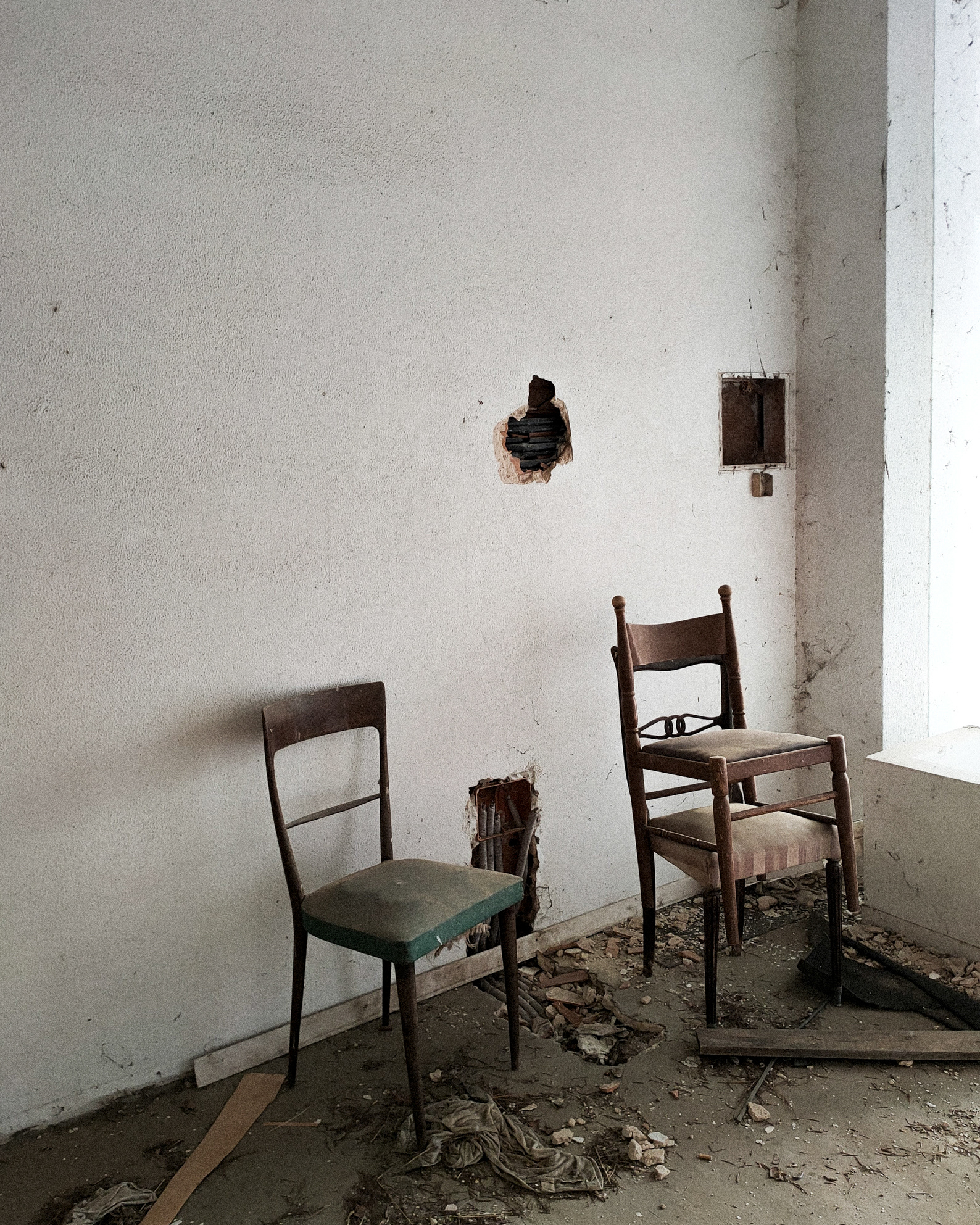
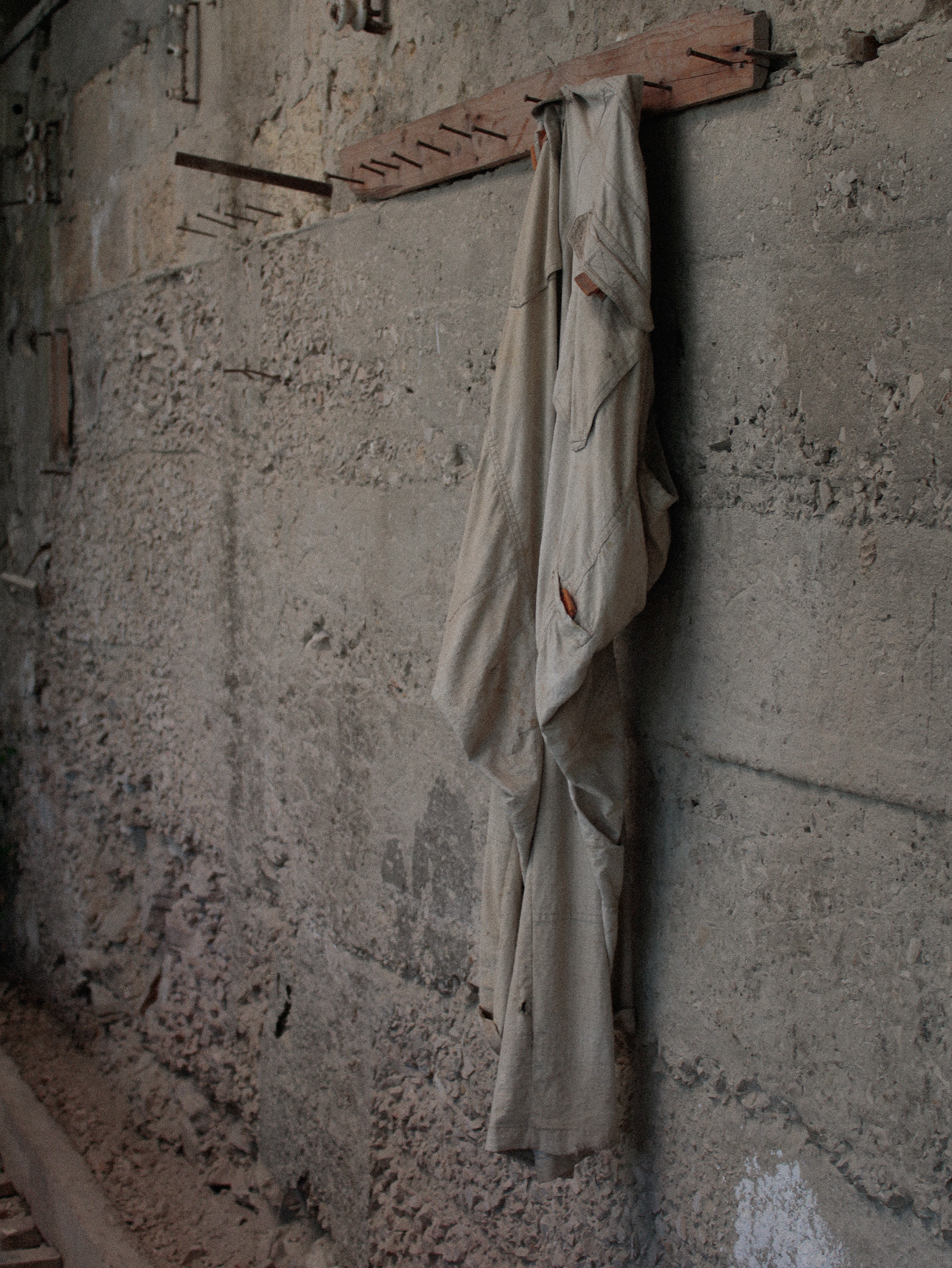
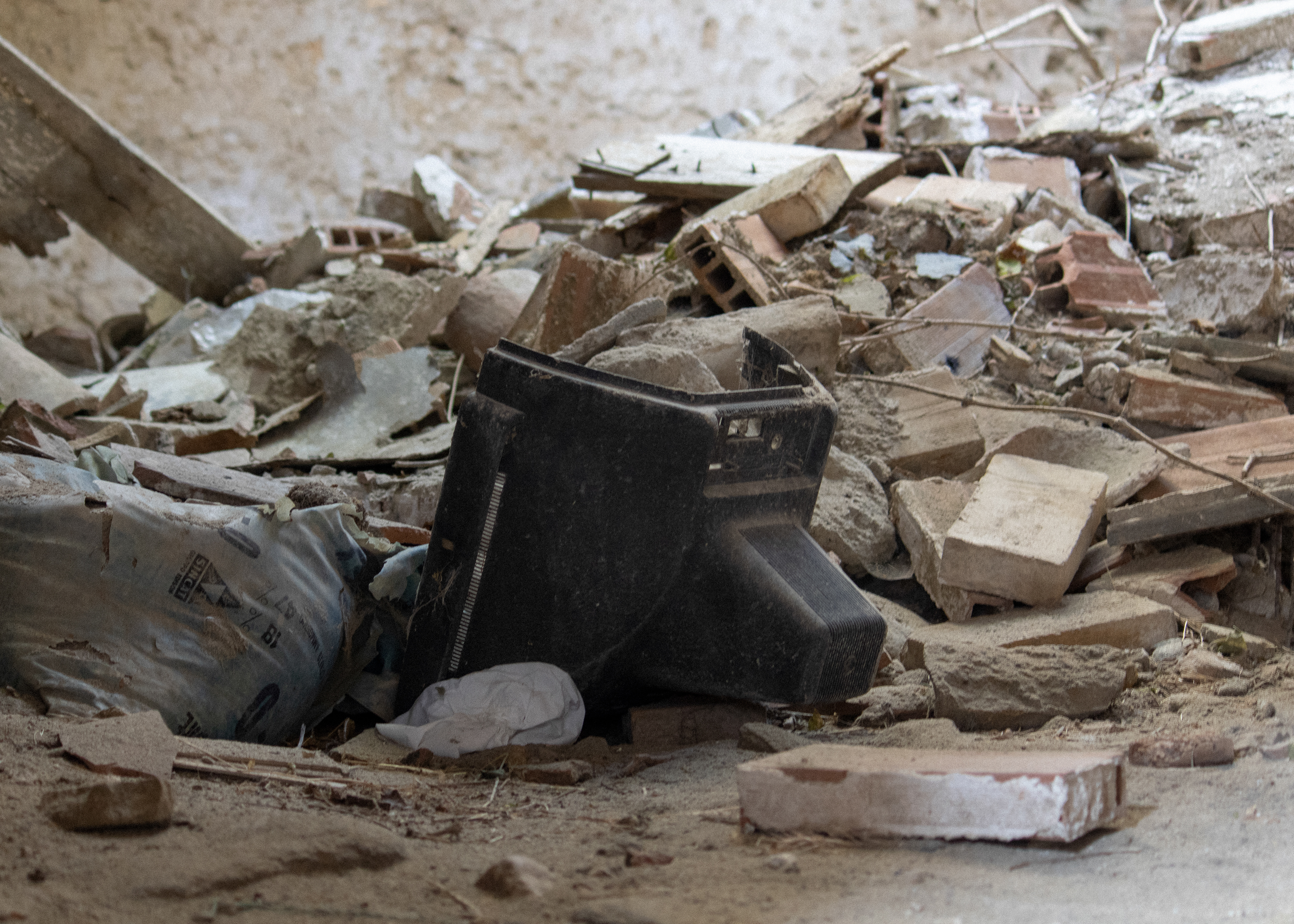
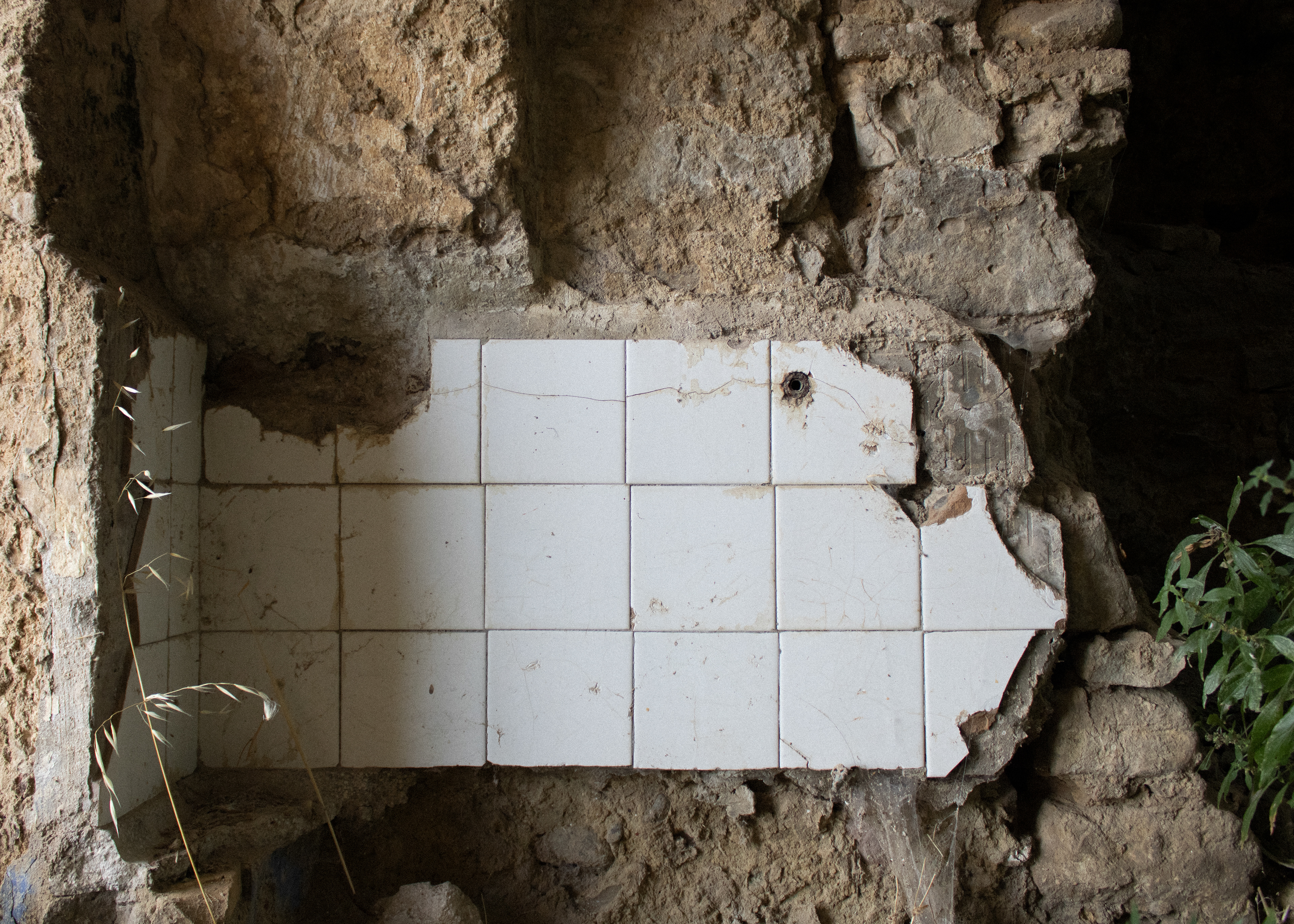
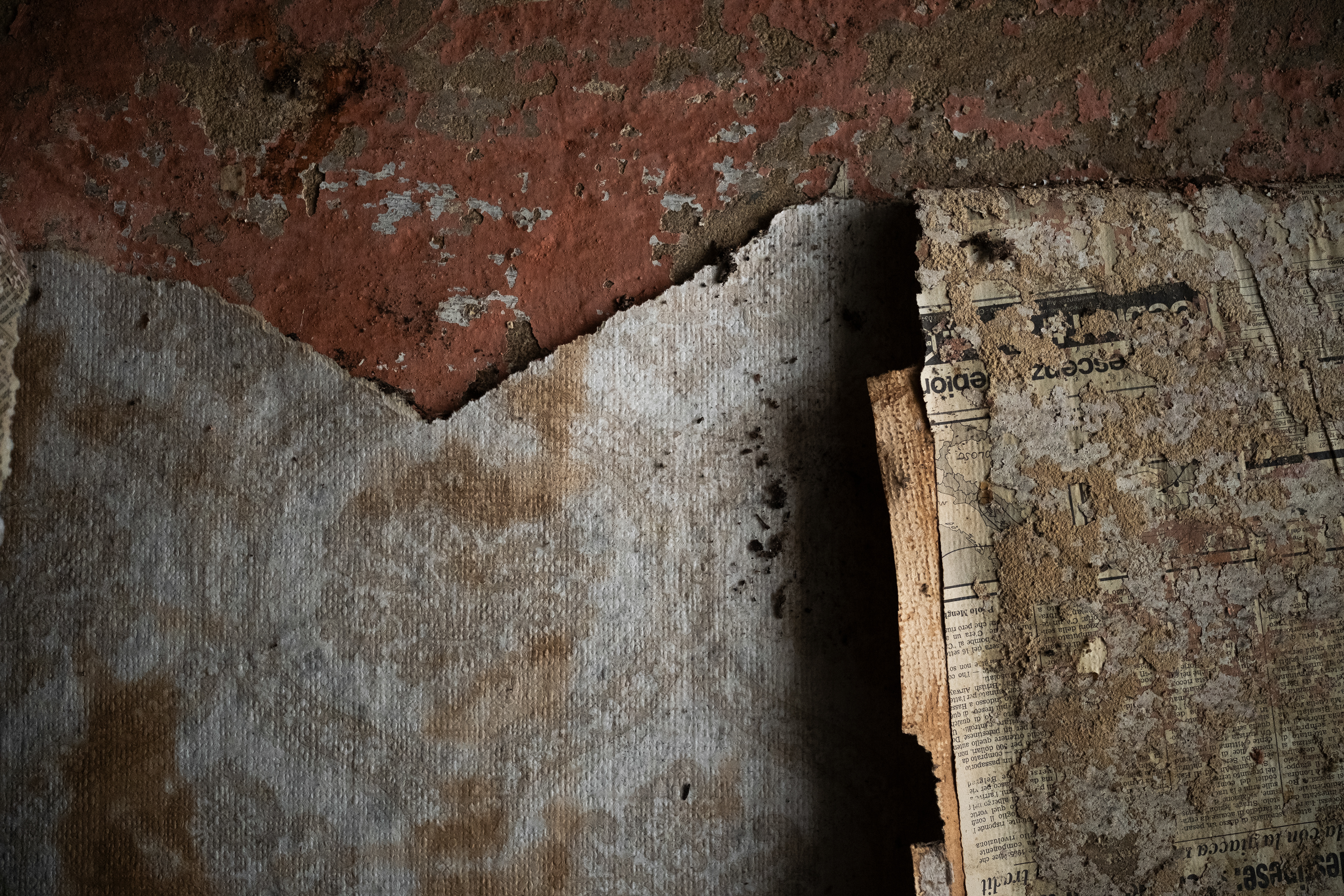
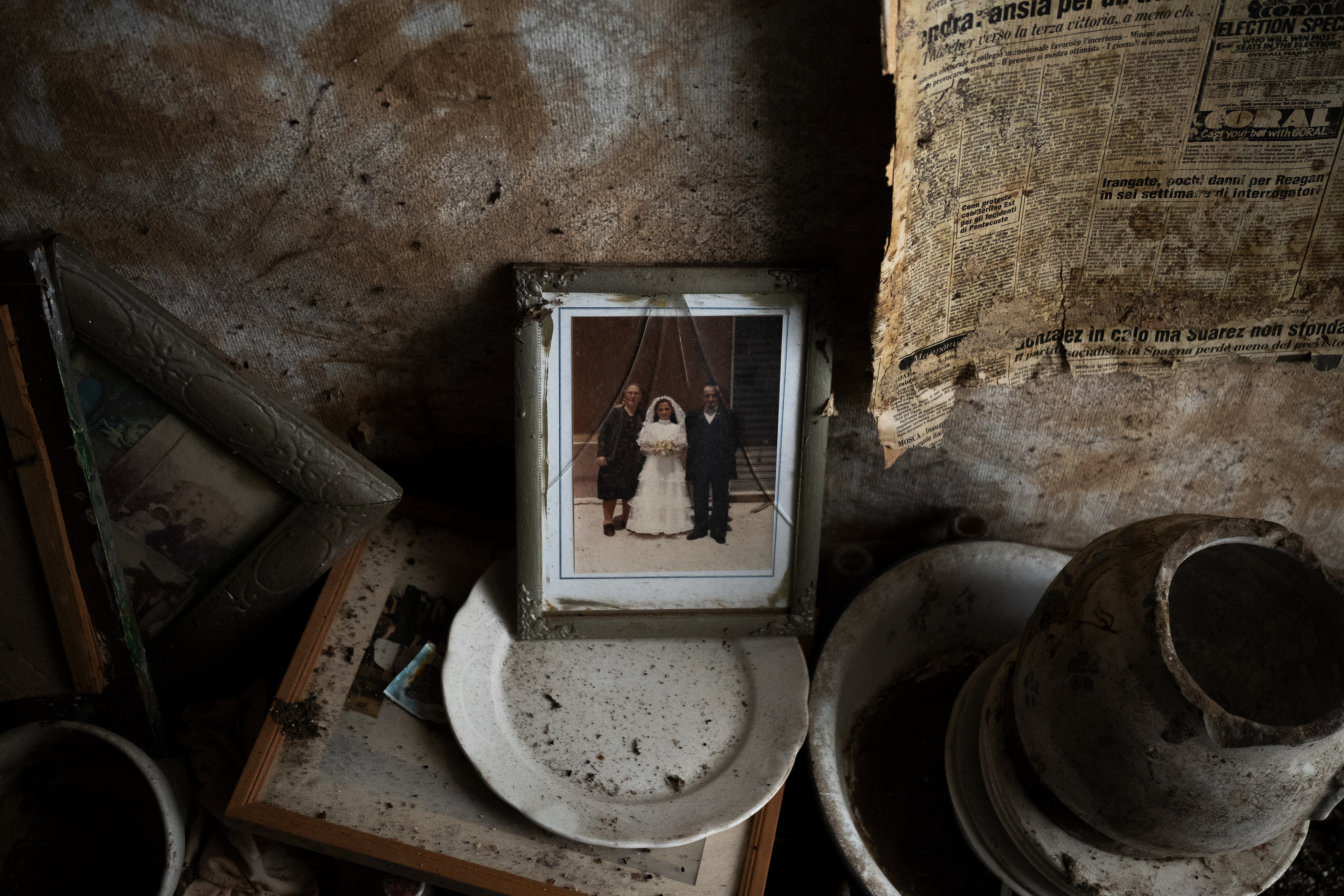
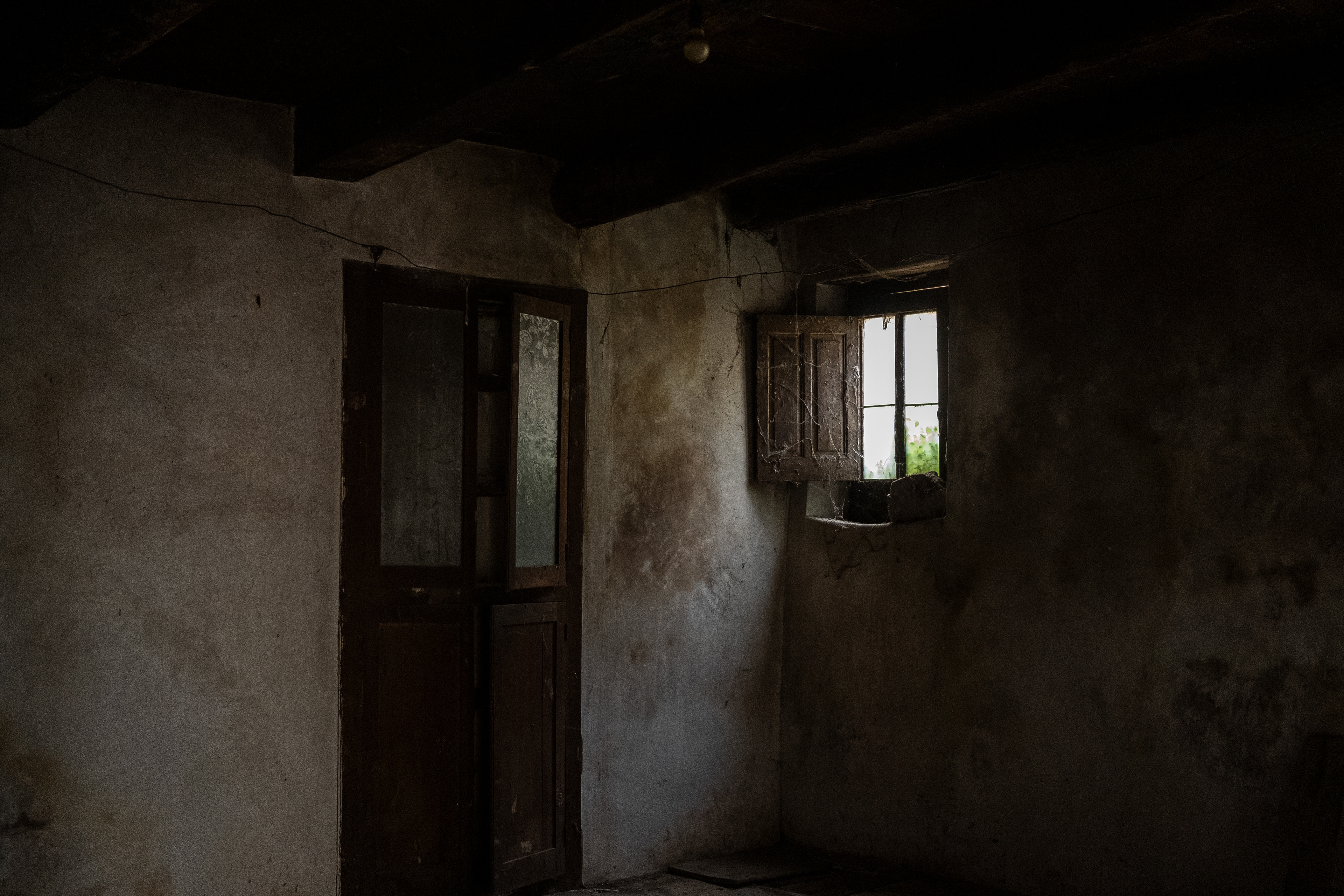
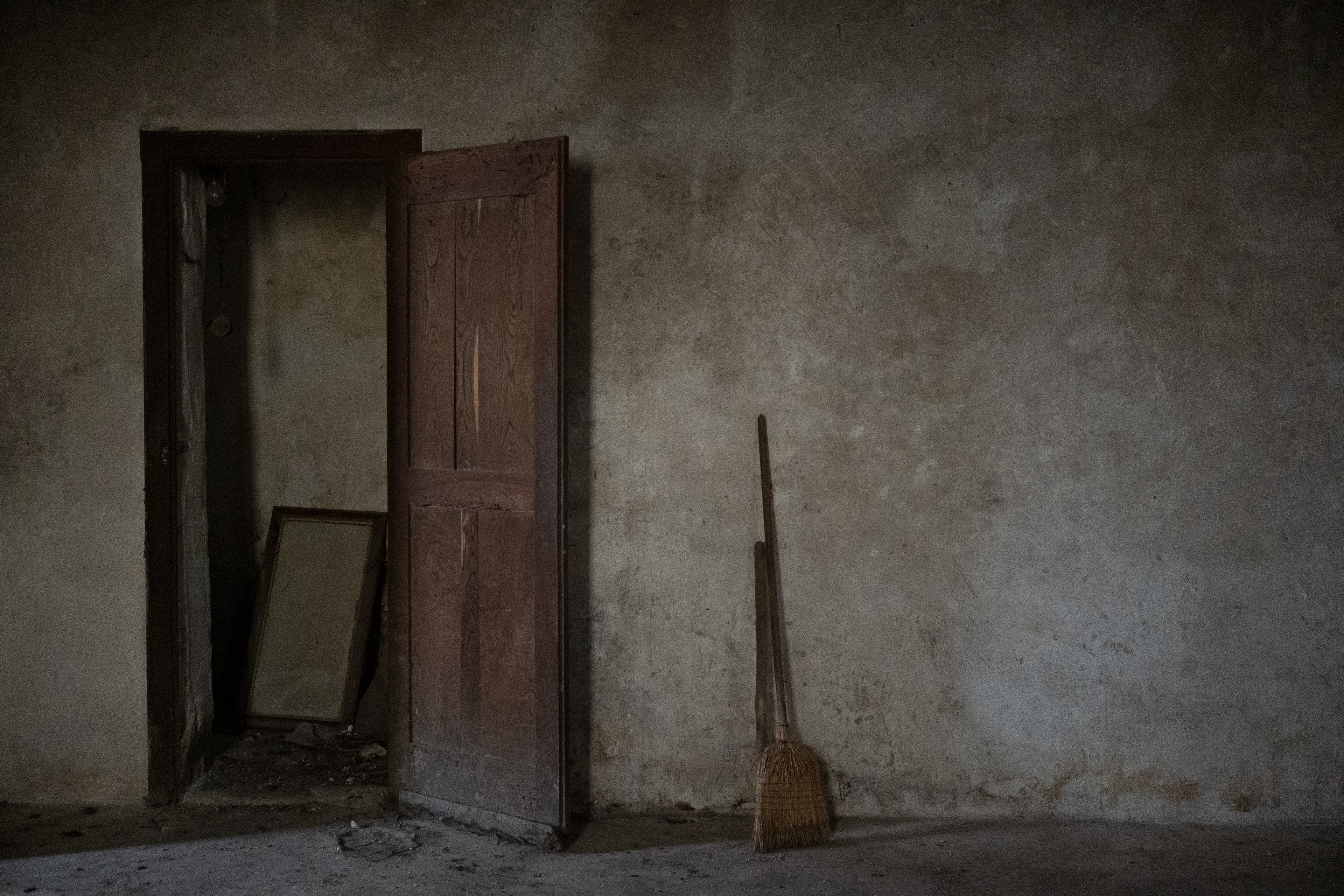
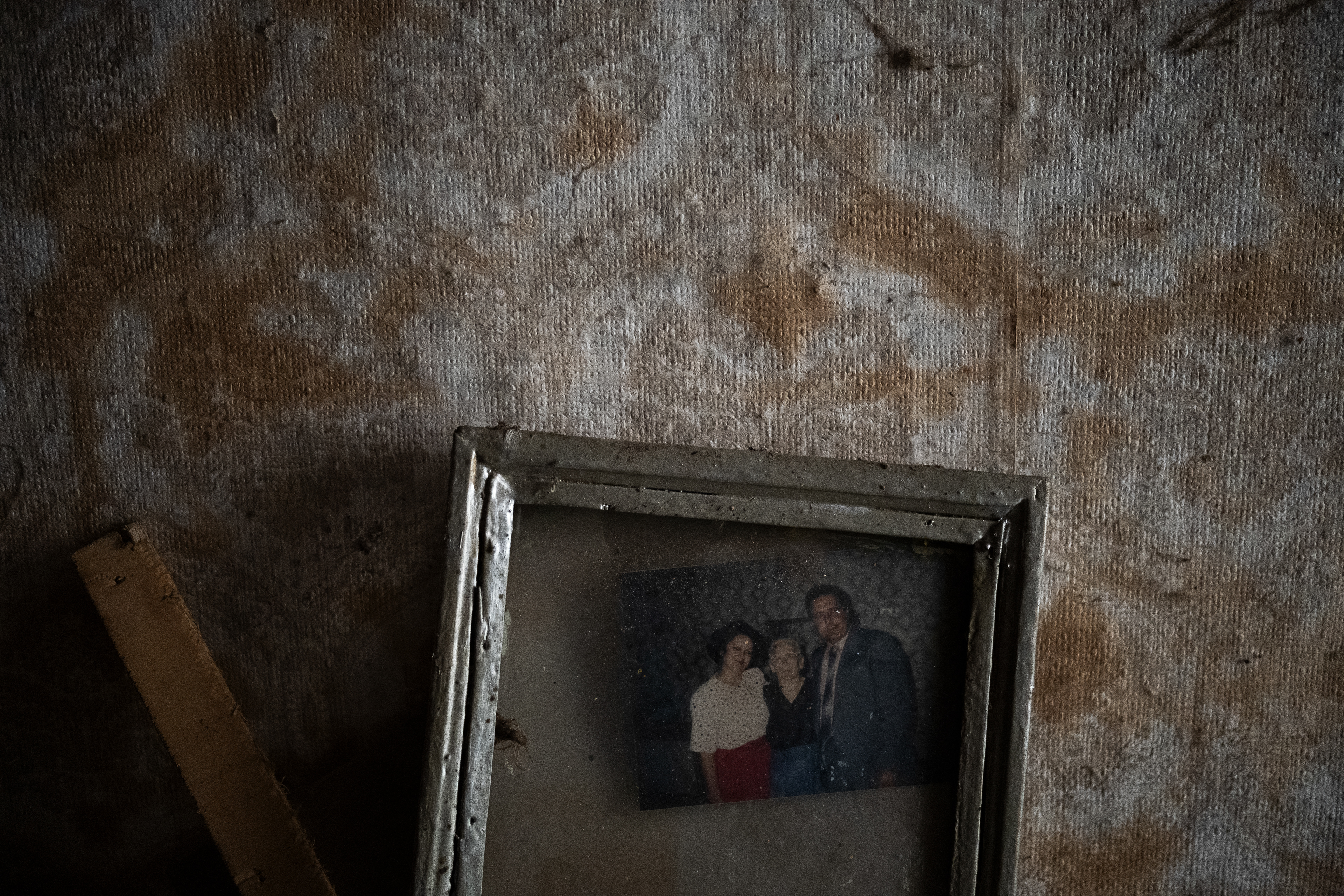
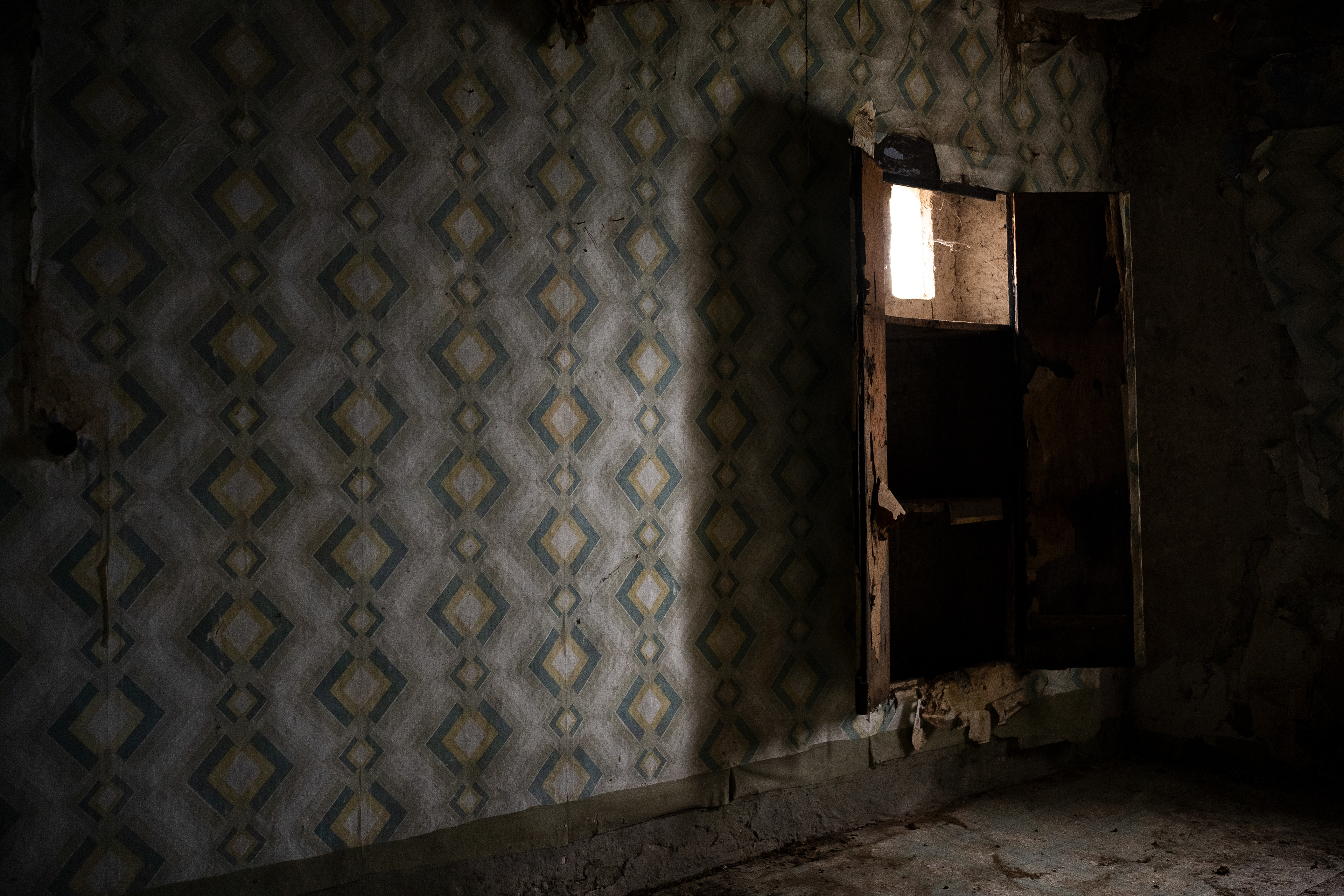
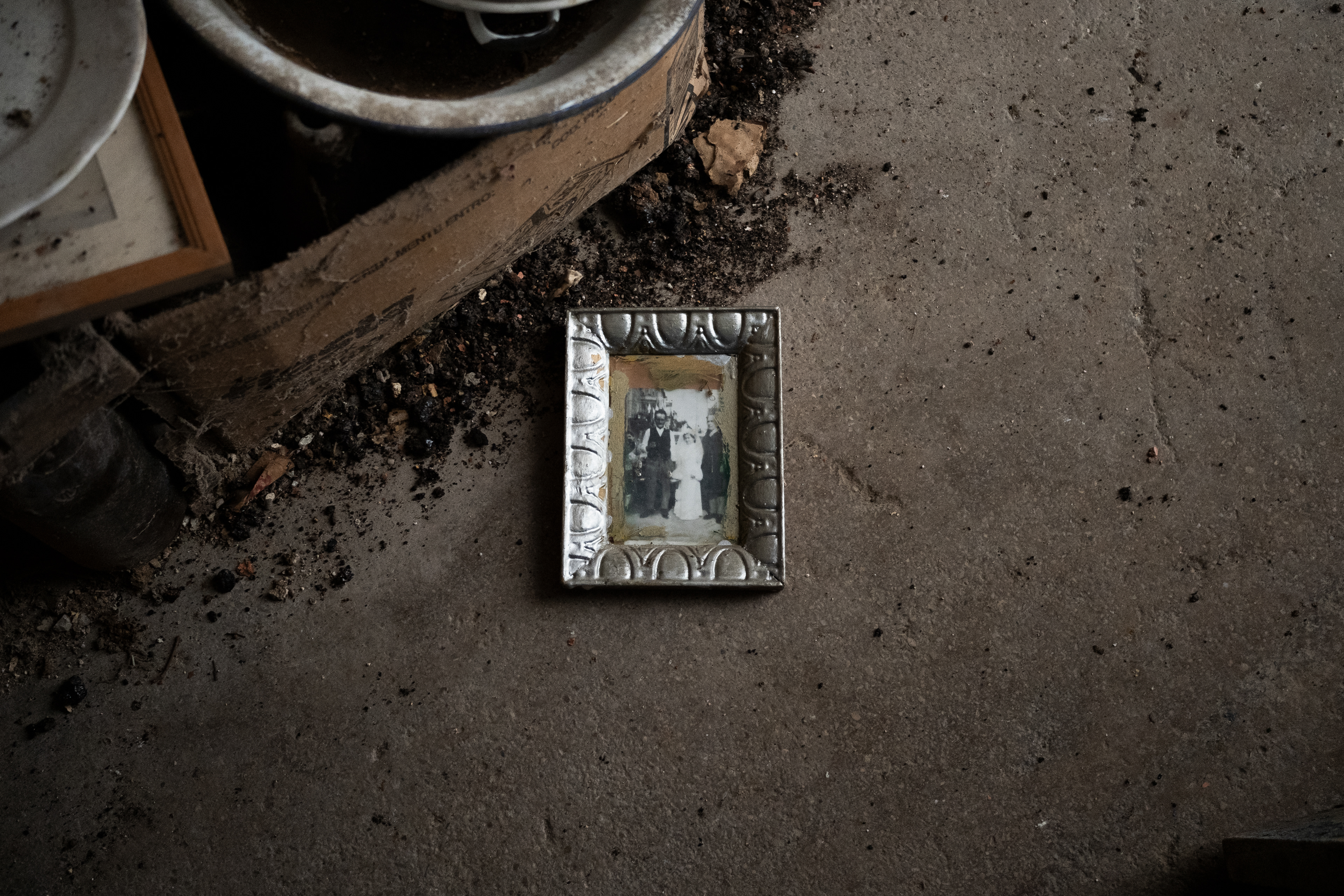
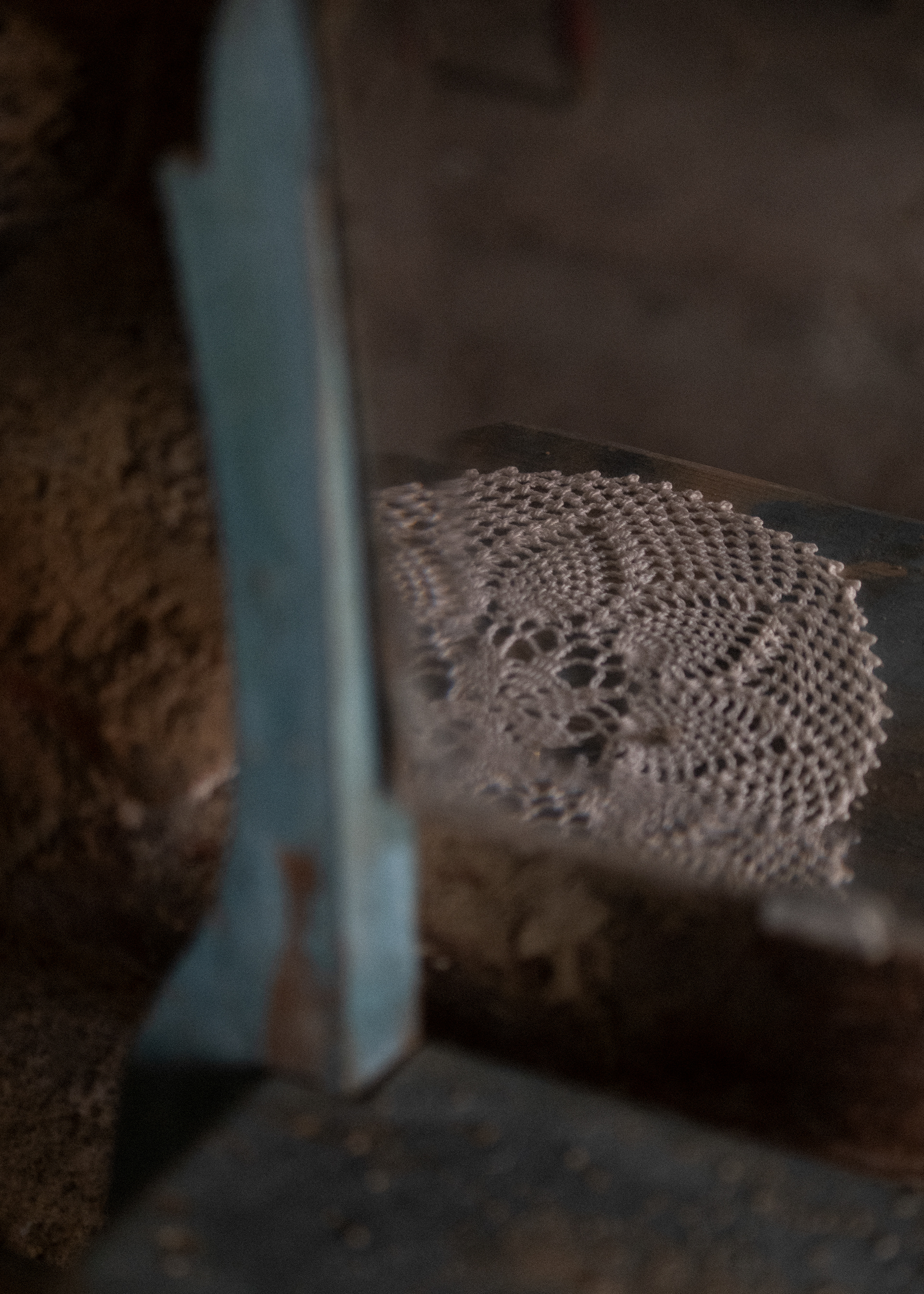
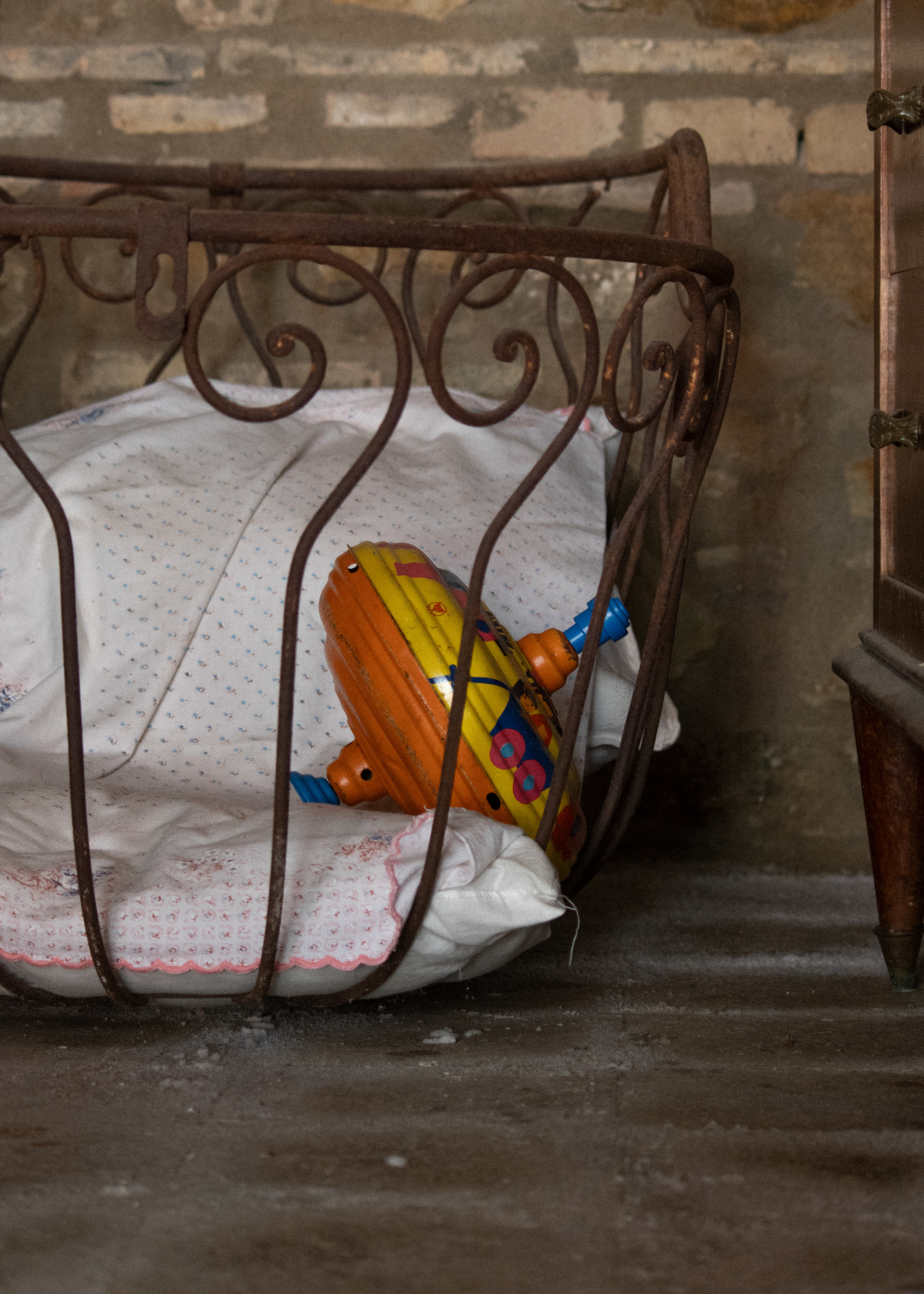
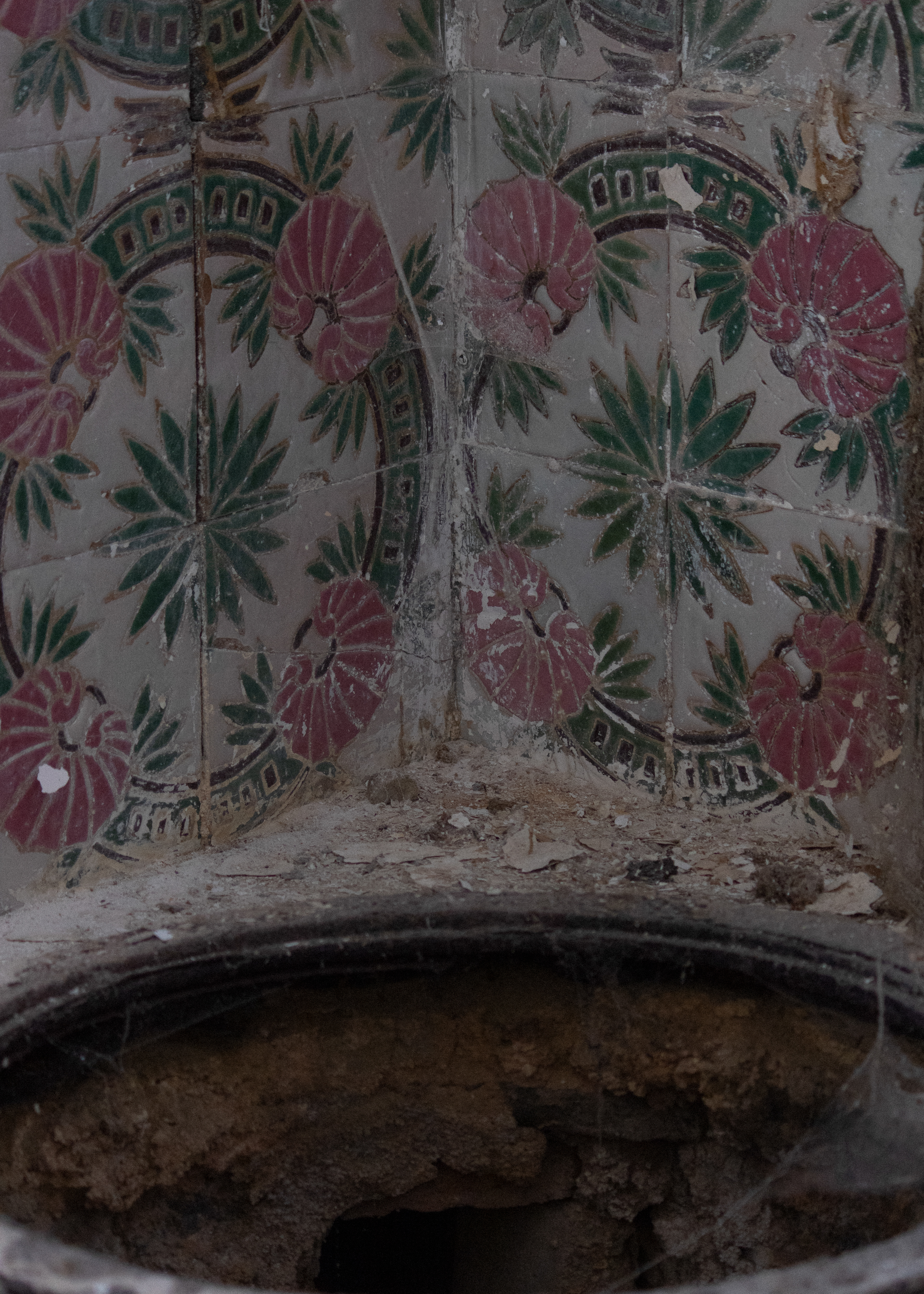
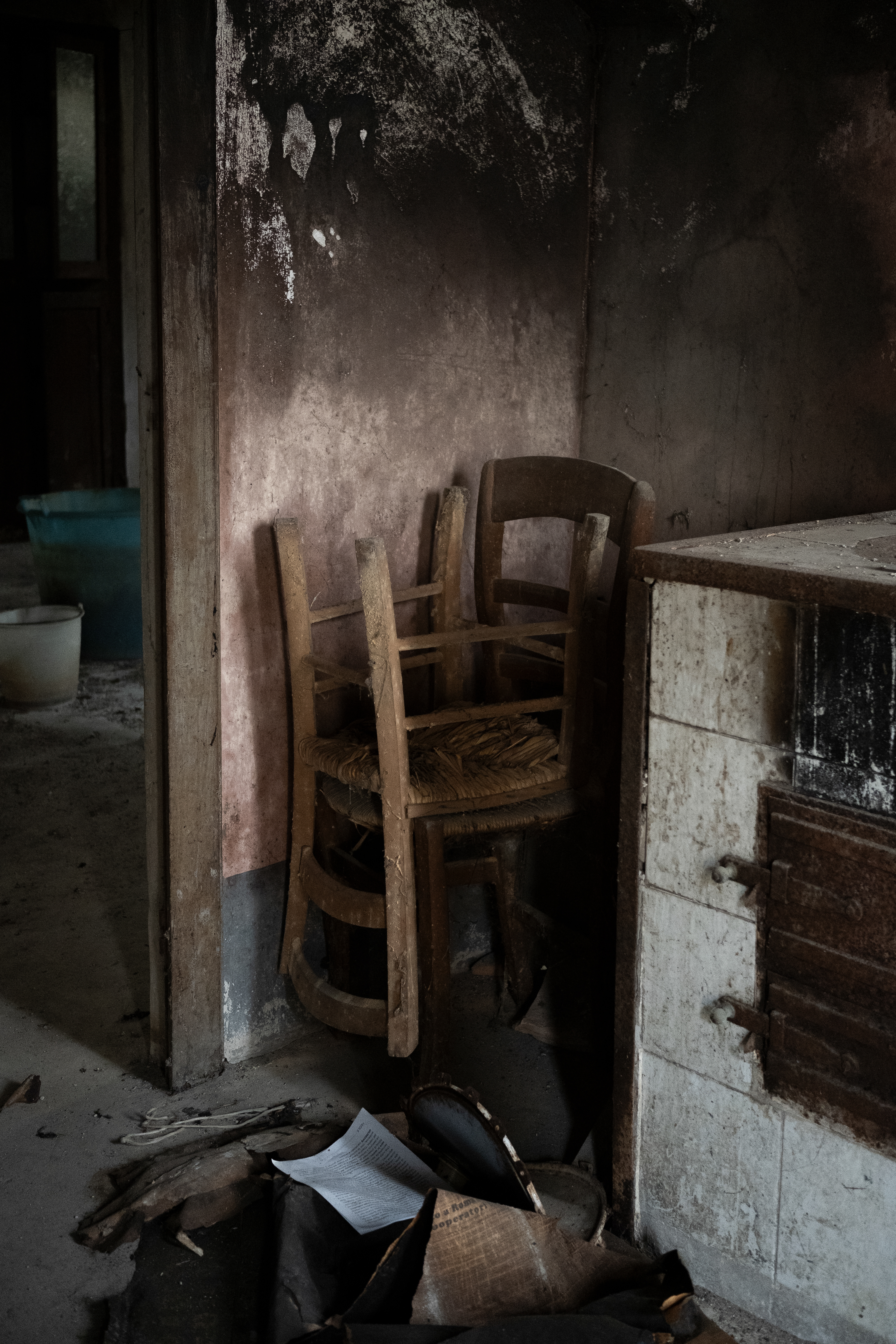
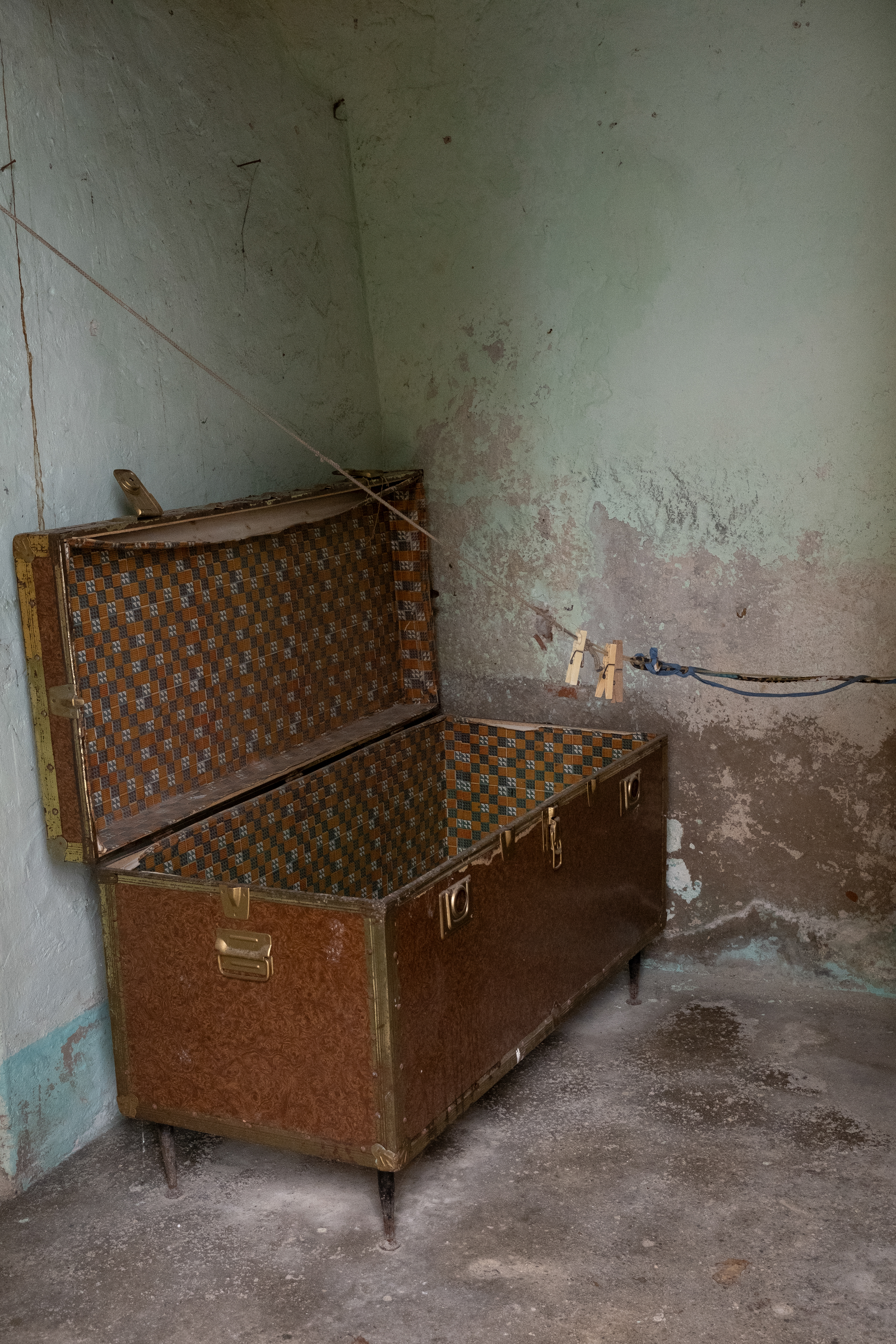
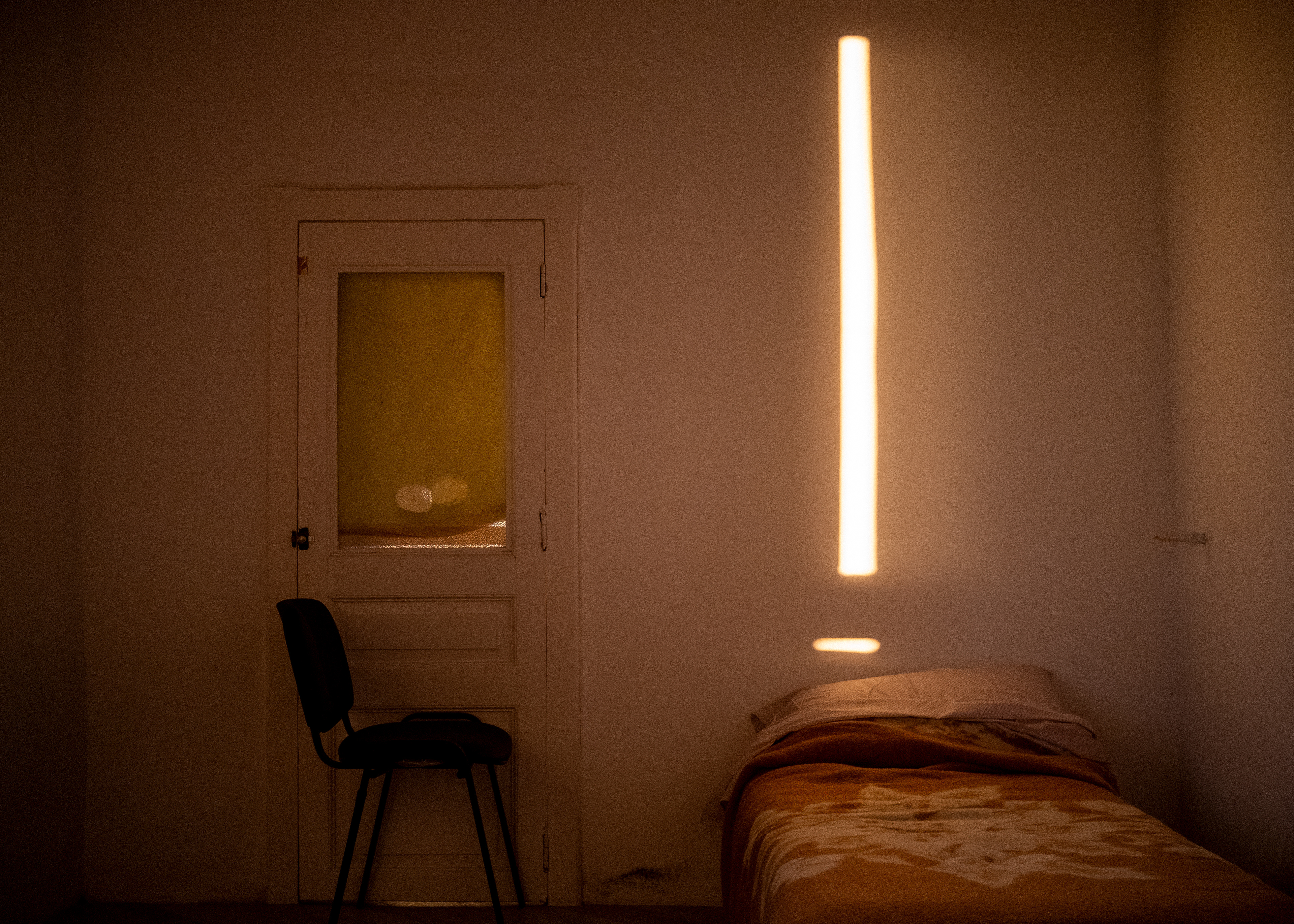
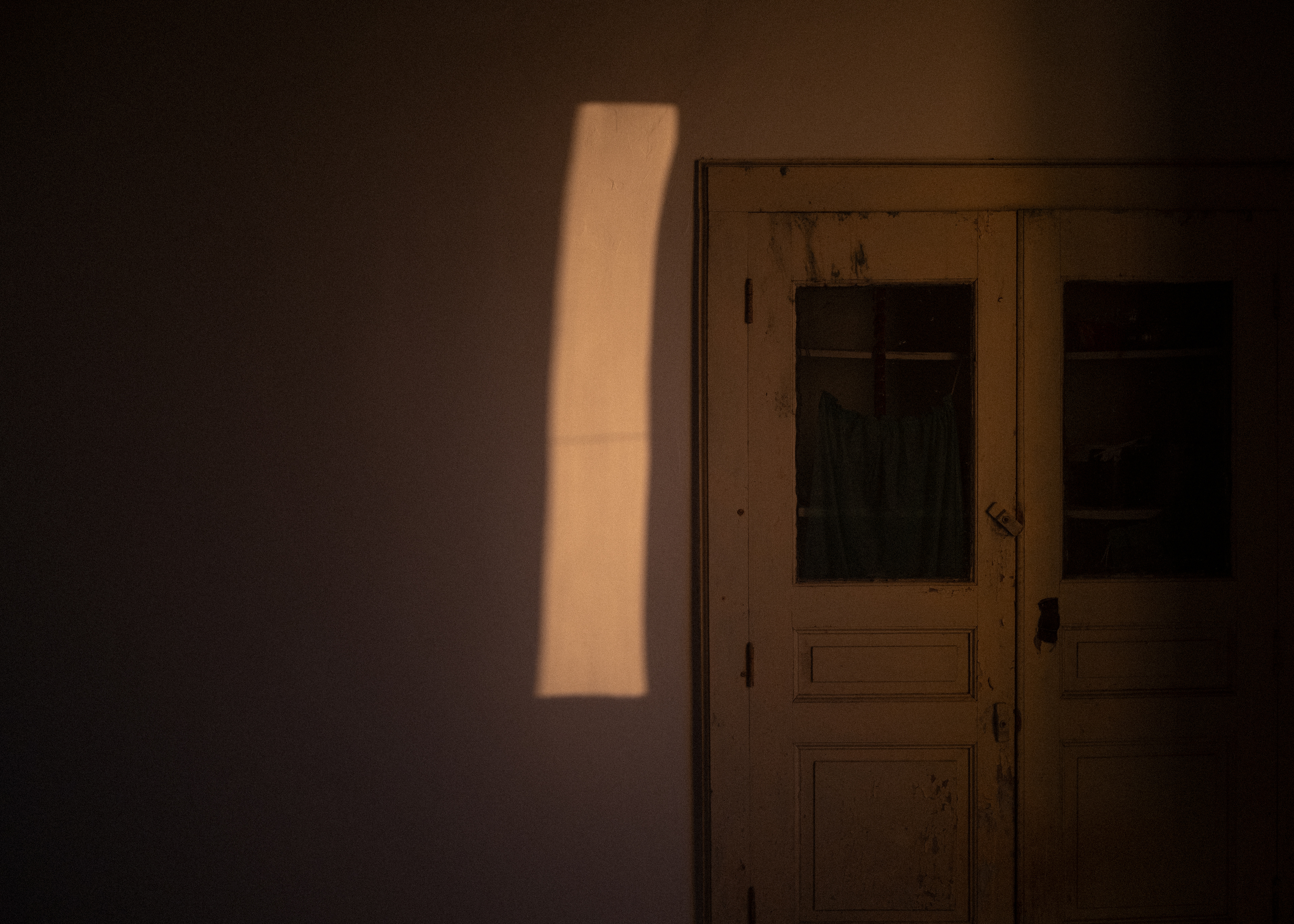
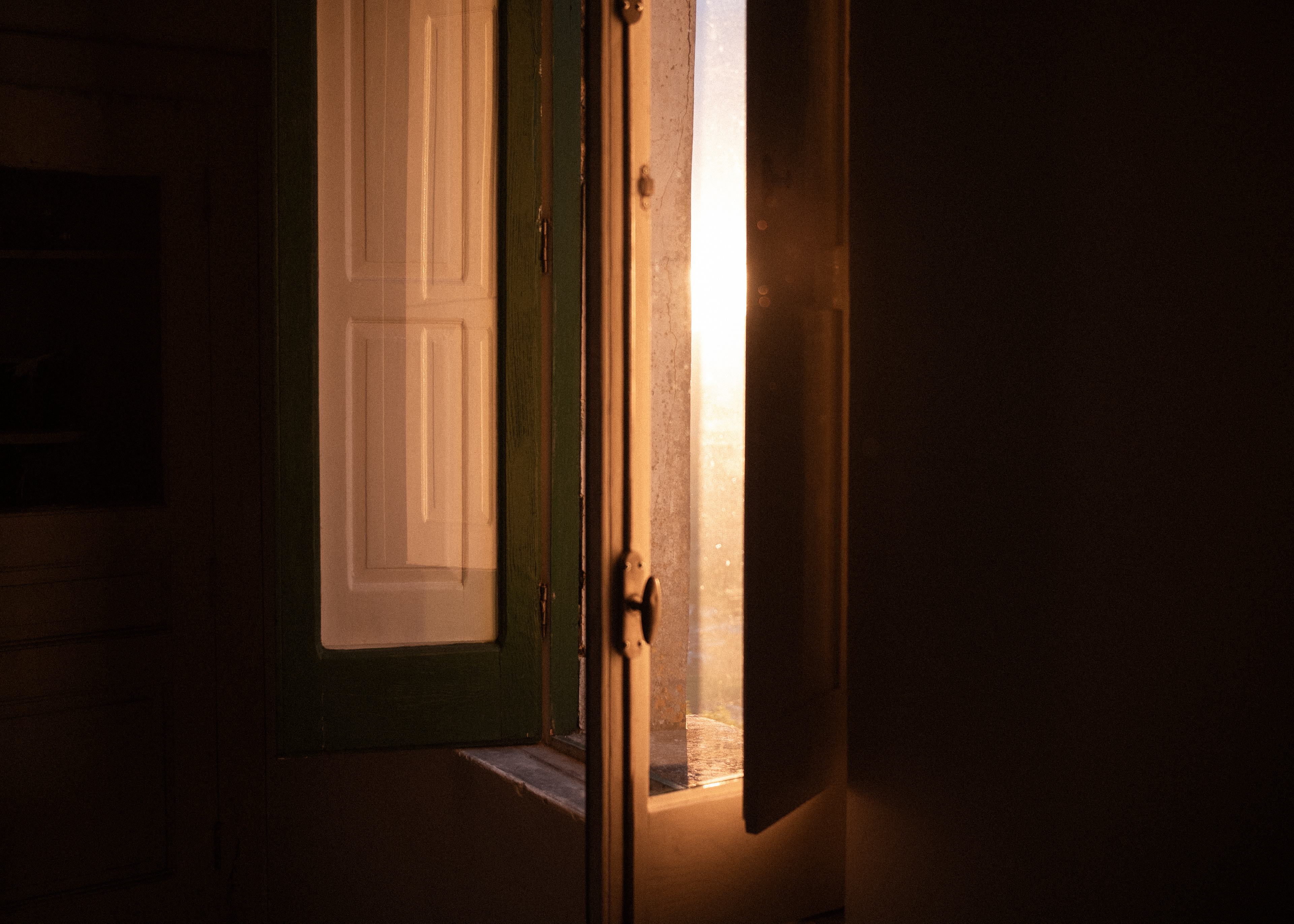
Gli spazi dismessi portano le cicatrici della vita che li ha attraversati. Oggetti dimenticati, pareti rovinate, arredi consumati dal tempo raccontano storie sconosciute, ma che suscitano comunque un senso di familiarità. In questi luoghi, la memoria non è diretta, ma suggerita: invita a immaginare, a ricostruire con la mente ciò che è stato.
L’interesse non è tanto nella decadenza in sé, ma in ciò che rappresenta: il passaggio del tempo attraverso la trasformazione e l’assenza di vita umana. L’abbandono diventa così un punto di contatto tra passato e presente, tra chi c’era e chi guarda ora.
“Anemoia” è uno sguardo su ciò che rimane quando le persone se ne vanno. Non cerca la bellezza estetica dell’abbandono, ma il valore umano e storico che ogni spazio porta con sé, anche nel silenzio e nel vuoto.
*
"Anemoia" describes the nostalgia for a time never lived. From this feeling arises the idea of observing abandoned places as silent witnesses of the past.
Disused spaces bear the scars of the lives that once passed through them. Forgotten objects, damaged walls, furniture worn by time, they tell unknown stories that nonetheless evoke a sense of familiarity. In these places, memory is not direct, but suggested: it invites us to imagine, to mentally reconstruct what once was.
The focus is not on decay itself, but on what it represents: the passage of time through transformation and the absence of human life. Abandonment thus becomes a point of contact between past and present, between those who were there and those who now observe.
"Anemoia" is a gaze upon what remains when people leave. It does not seek the aesthetic beauty of abandonment, but rather the human and historical value that every space carries, even in silence and emptiness.